Supporting Caregivers Struggling to Feed Seniors
Across the country, caregivers are doing everything they can to keep their loved ones safe and nourished — but too often, they’re doing it without help. As food, fuel, and labor costs climb, and funding for senior nutrition programs fails to keep pace, more families are being left behind.
For caregivers struggling to feed seniors, each day can feel like an impossible balancing act. They skip meals themselves, ration food, or rely on processed snacks just to get through the week. Meals on Wheels providers are doing everything possible, but limited funding and growing demand mean that thousands are being added to waitlists that stretch on for months.
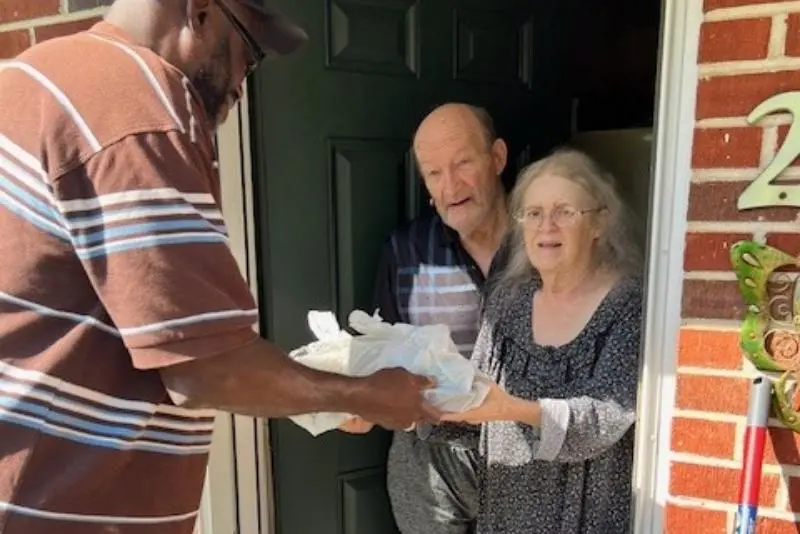
Darlene and Henry’s story from South Carolina illustrates this burden — a couple doing their best to survive while waiting for the nutrition and support that could change their lives.
Darlene and Henry’s Fight for Nutrition and Stability
Life hasn’t been easy for Darlene and her husband, Henry. After losing a lung to cancer and surviving a brain injury, Henry was assaulted in his own neighborhood — a traumatic experience that contributed to the onset of dementia.
Darlene did her best to care for him, handling most of the cooking until her own vision began to deteriorate and cooking became unsafe. The couple began to rely on processed snack foods with little nutritional value, and Henry lost a troubling amount of weight.
Desperate for support, Darlene contacted Meals on Wheels, a program of Piedmont Agency on Aging in Greenwood, South Carolina, only to be placed on a waitlist with no clear timeline for help.
Unfortunately, Darlene and Henry’s experience isn’t unusual. Across the country, local providers are stretched thin as the cost of food, fuel and labor climbs and America’s senior population grows. Meanwhile, funding has failed to keep pace, forcing many providers to scale back.
“Right now, we’re $40,000 in the hole because the state pays 80 cents less per meal than it costs to make,” said Tracey Bedenbaugh with Piedmont Agency on Aging. “Last year, we served 950 meals a day. Now, we’re closer to 600.”
After six long months, Darlene and Henry began receiving meals and check-ins from caring volunteers. He’s regained weight, and both of their spirits are brighter. But across the country, nearly 46,000 seniors are still on local waitlists — that’s nearly enough people to fill Yankee Stadium.
“It is not reasonable,” Tracey said, “that the seniors who have served their community their whole lives cannot depend on their community when they need them the most.”
Hope and Urgency for Caregivers
When Darlene and Henry finally began receiving their Meals on Wheels deliveries, it changed everything. Henry’s health improved, Darlene could rest easier, and the daily visits from volunteers brought comfort back into their home. But for thousands of families like theirs, that moment of relief is still out of reach.
Local providers know the solution — they simply need the resources to deliver it. With sustainable funding, Meals on Wheels programs could expand routes, hire staff, and ensure caregivers struggling to feed seniors never have to wait again.
Every meal delivered is more than food — it’s care, connection, and dignity. Together, we can support caregivers across the nation and end the wait for the seniors who depend on them.