The Daily Reality for Seniors Waiting for Meals in Texas
In Texas — one of the states with the largest number of seniors on Meals on Wheels waitlists — hunger and uncertainty have become daily struggles for too many older adults. With rising food, fuel, and labor costs outpacing flat federal funding, local programs are doing everything they can just to keep up. Volunteers are ready. Meals are prepared. But the funding simply isn’t enough to meet the growing demand.
For seniors waiting for meals in Texas, the consequences are heartbreaking. Many live alone, skipping meals or eating what little they can to stretch limited budgets. Providers like Meals on Wheels South Texas are forced to make impossible choices — deciding who receives help now and who must continue to wait.
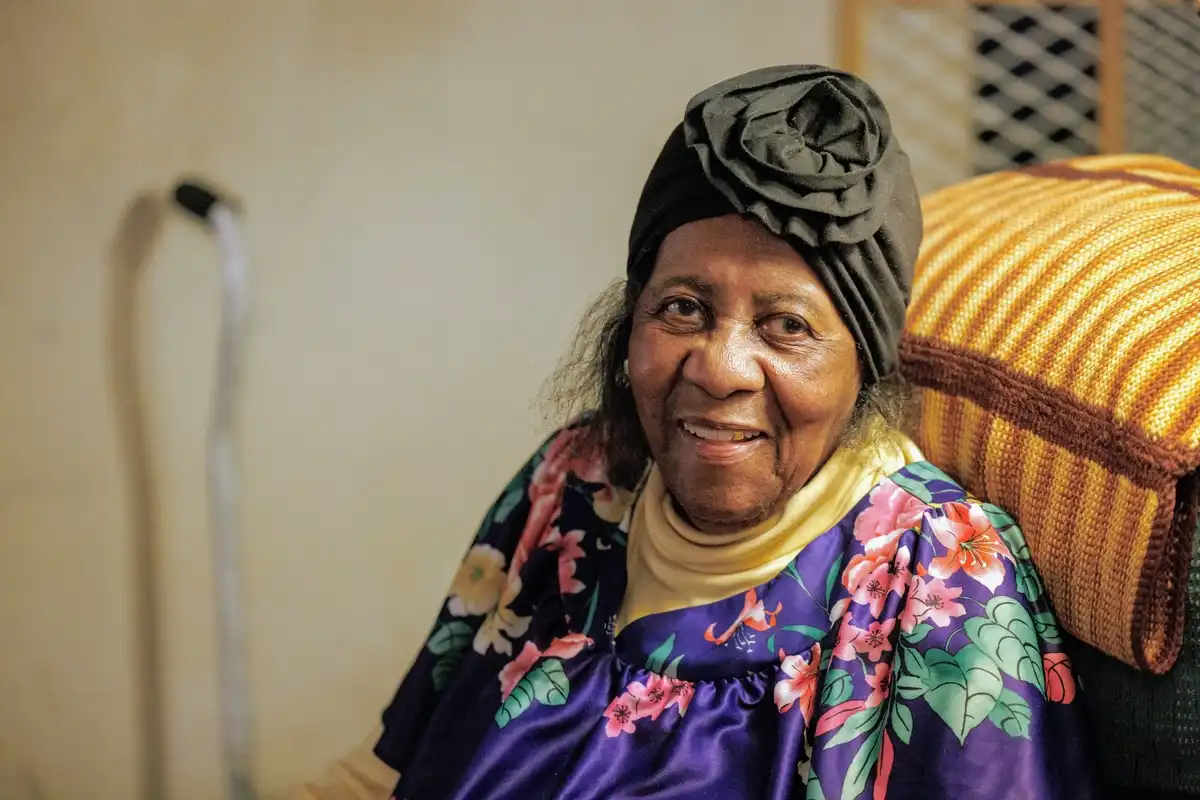
Linda’s story captures this reality. Her determination to survive, even as her health declined, is a testament to strength — and a reminder that no senior should ever have to wait for a meal.
Linda’s Struggle to Stay Fed and Safe
Hunger was a daily struggle for Linda. She often skipped meals to keep the power on, and even when food was available, she couldn’t stand long enough to prepare it.
Desperate for support, she contacted Meals on Wheels South Texas in Victoria, Texas– one of the states with the largest number of waitlists nationwide. Unfortunately, the provider had recently lost a major federal grant, so Linda was placed on a waitlist with no clear timeline for help.
“We had funded clients out of our reserves, thinking the money was coming,” said Dan Capone with Meals on Wheels South Texas. “When we realized it [wouldn’t], it made for a really bad year.”
This scenario is all too common — federal funding and private donations aren’t keeping pace as food, fuel, labor and utility costs rise and America’s senior population grows. Nationwide, Meals on Wheels providers are struggling in the face of rising costs and demand.
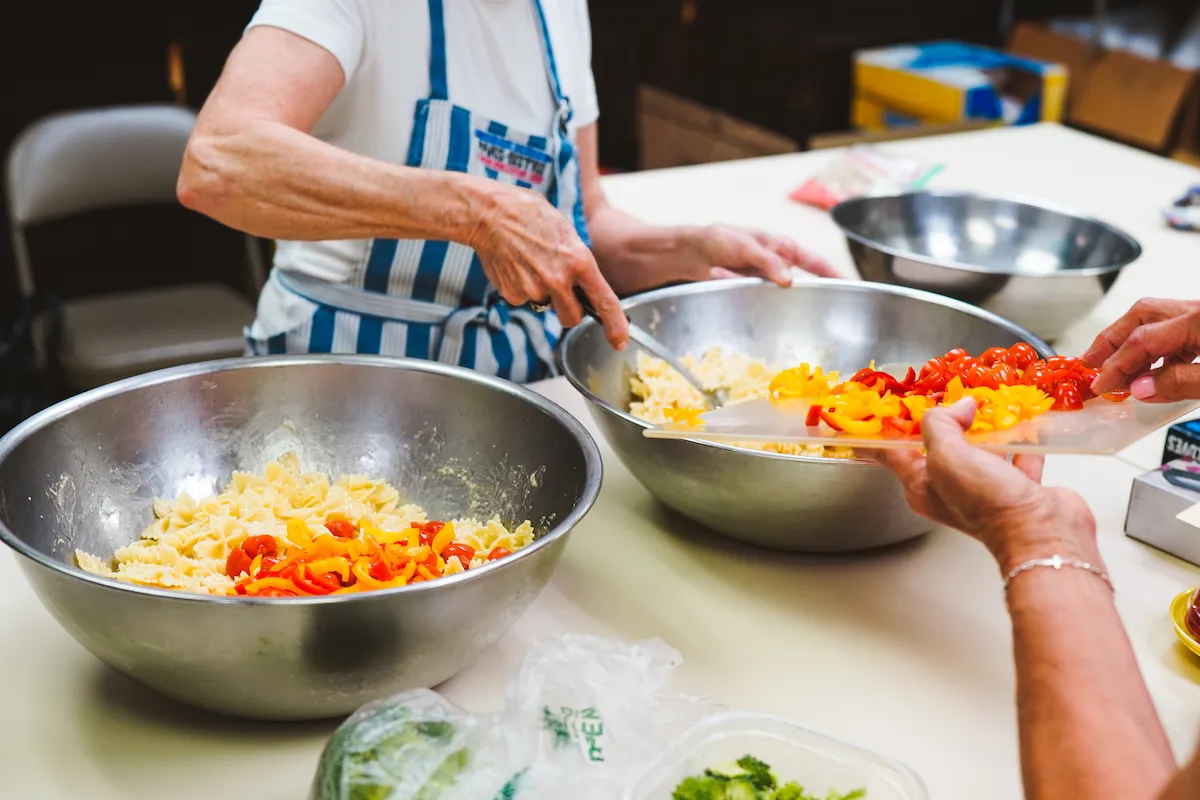
With a six-figure deficit, Dan’s staff prioritized seniors who didn’t have anyone caring for them at all. They also innovated by shifting from daily hot meals to frozen ones – ensuring continued nutrition while reducing costs. Surprisingly, a majority of clients expressed a preference for frozen meals as it gave them more flexibility to eat on their own schedule. Still, the waitlist grew.
For nearly a year, Linda did her best to hang on while her health declined. Then one day, the call finally came: a spot had opened up.
Since then, meal deliveries have brought her nutrition and much-needed companionship. “They know just what to say,” she said of the volunteers who bring food to her door. The provider also delivers pet food, keeping her beloved animals from going hungry — “a lifesaver,” Linda said.
But to expand capacity and reach every senior in need, Meals on Wheels South Texas must secure sustainable funding, which can cover everything from meals to staffing to vehicles to kitchen equipment.
“It is heartbreaking to turn someone away, not because their need isn’t urgent, but because we simply do not have the funding,” Dan said. “In the end, it comes down to dollars.”
Ending the Wait for Seniors Waiting for Meals
When Linda finally began receiving her meals, it wasn’t just nourishment — it was relief, companionship, and the return of dignity. Volunteers became friendly faces, bringing not just food but encouragement and care. Yet, for every Linda whose life is changed by Meals on Wheels, thousands more are still waiting.
Local providers like Meals on Wheels South Texas know exactly what’s needed to serve every senior in need: sustainable, long-term funding that covers everything from ingredients and fuel to staffing and equipment. With consistent support, they could eliminate waitlists and ensure no older adult goes hungry or unseen.
Together, we can change this. By investing in programs that work, advocating for increased funding, and sharing stories like Linda’s, we can end the wait for seniors waiting for meals in Texas — and bring hope to communities across the state.