Bay Ridge Center
For Todd Fieldner, Executive Director of the Bay Ridge Center for Older Adults in Brooklyn, aging in place is foundational to everything the Center does.
“Instead of looking at people as a number, we look at who they are and how we can make their lives better,” Todd says. “We give adults services and programs that allow them to stay in their homes, stay active, and be part of their community.”
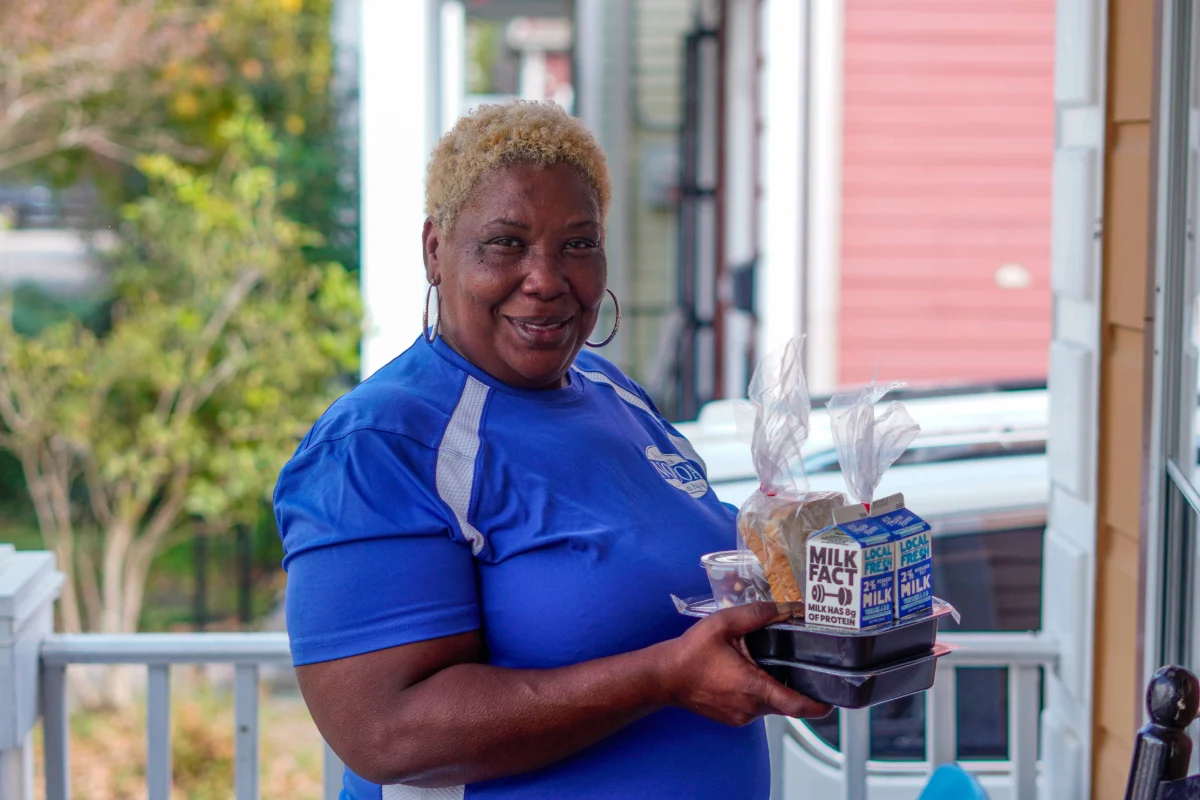
The Bay Ridge Center operates a state-of-the-art facility for older adults, offering fitness space, music and art lessons, and other learning opportunities. It also runs a Meals on Wheels program in collaboration with Catholic Charities, a critical lifeline for a diverse community of homebound seniors. Every day, volunteers and drivers reach 600 seniors with nutritious meals and moments of connection. For many, drivers are their only link to the outside world.
“Bay Ridge Center is adding years to life and adding life to years,” Todd says. “That’s what we do every day. For anyone who thinks Meals on Wheels is [only] about a meal, it’s about so much more. It’s about connection and care. It’s so incredibly impactful.”
Serving Bay Ridge’s Community
Bay Ridge stands apart in Brooklyn as a culturally diverse, residential, and tight-knit community.
“Even though this is a big metropolitan area, we function as a small town,” Todd says. “We work together to make sure our neighborhood is the best it can be for everybody who lives here.” The Meals on Wheels program reflects this strong sense of community, which includes meals tailored to seniors’ diverse cultural needs. The area has residents with strong Irish, Italian, Scandinavian, and Greek roots; a growing Middle Eastern/Arab population; and pockets of Egyptian, Palestinian, and Yemeni families.
“It’s a very diverse community with diverse needs,” says Chris Sarran, Assistant Director of the Meals on Wheels program. Culturally tailored meals are more than a preference; they strengthen the community by helping seniors feel less isolated and more connected to their cultural heritage.
“Food is very personal,” Chris says. “It really brings people home when they can experience a sense of nostalgia with food.”
“Seniors, especially in big cities, are often isolated and cut off from the community,” Chris says. “I would like to build and be part of a community that’s much more inclusive of taking care of seniors. Often, we speak of diversity, but seniors are forgotten.” That isolation includes financial hardship.
“The Meals on Wheels program is absolutely essential to our low-income seniors,” Chris says. “Their Social Security has been significantly cut. The cost of living and rent have gone up. I’ve spoken with seniors crying because they cannot afford groceries. Our Meals on Wheels program really delivers for them.” Reaching 600 seniors each day is a coordinated effort, with drivers, volunteers, caseworkers, and staff all working to improve seniors’ lives.
It Takes a Village
“The heart and soul of the Meals on Wheels program are the drivers and volunteers,” Chris says. “They’re there, rain or shine, as early as 6:00 in the morning, packing, getting meals ready to deliver to seniors.”
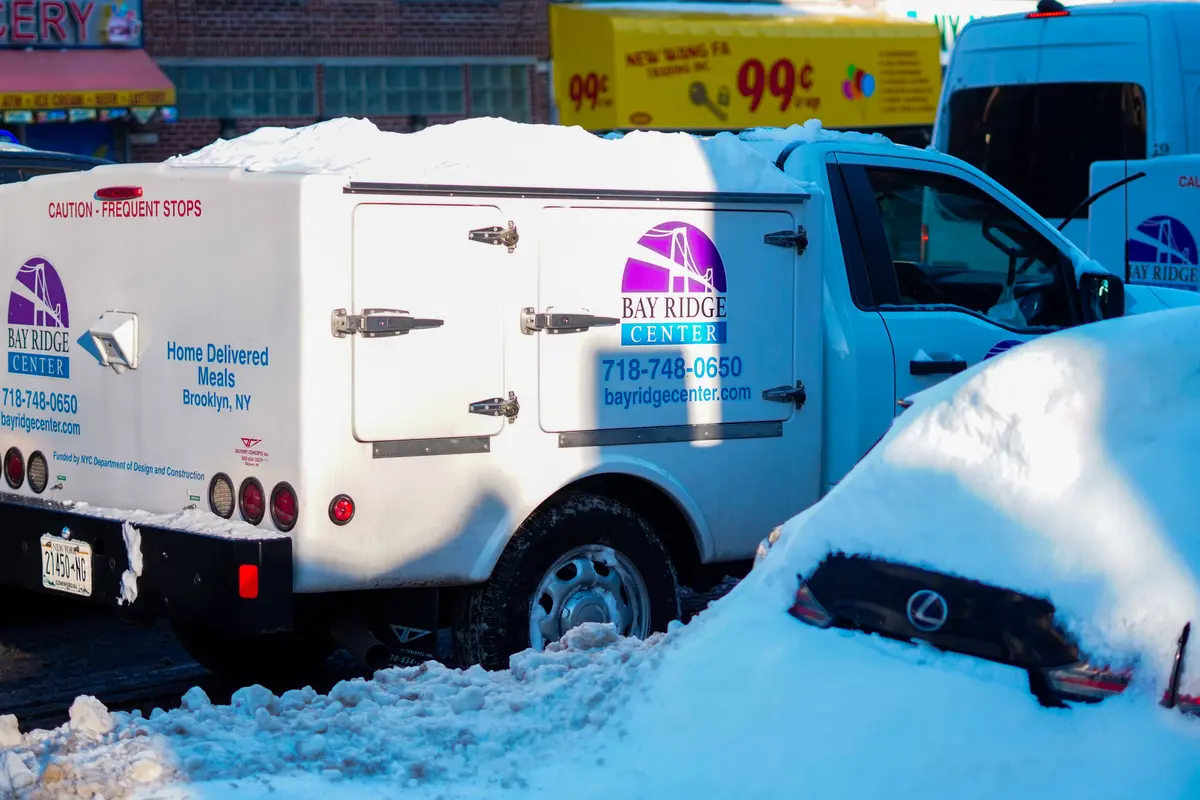
“People are going out every day in inclement weather, in horrible heat, and in an urban environment,” Todd says. Every day, the center deploys six trucks, each serving 100 seniors.
“That’s a Herculean job,” Todd says. During the pandemic, drivers risked their own health to ensure seniors “got life-sustaining food and stayed connected.” But the program serves more than just seniors. Caregivers rely on it too, especially when caring for homebound seniors who can’t prepare their own meals.
“That caregiver might be so focused on attending to [the senior’s] immediate needs that they can’t step aside to cook,” Chris says. “It’s very important that we provide those meals for them.”
“We’re meeting the growing demand by expanding our fleet and increasing volunteers,” Chris says. “It requires more funding, but we’re able to accommodate those needs.”