Supporting Older Adult Health

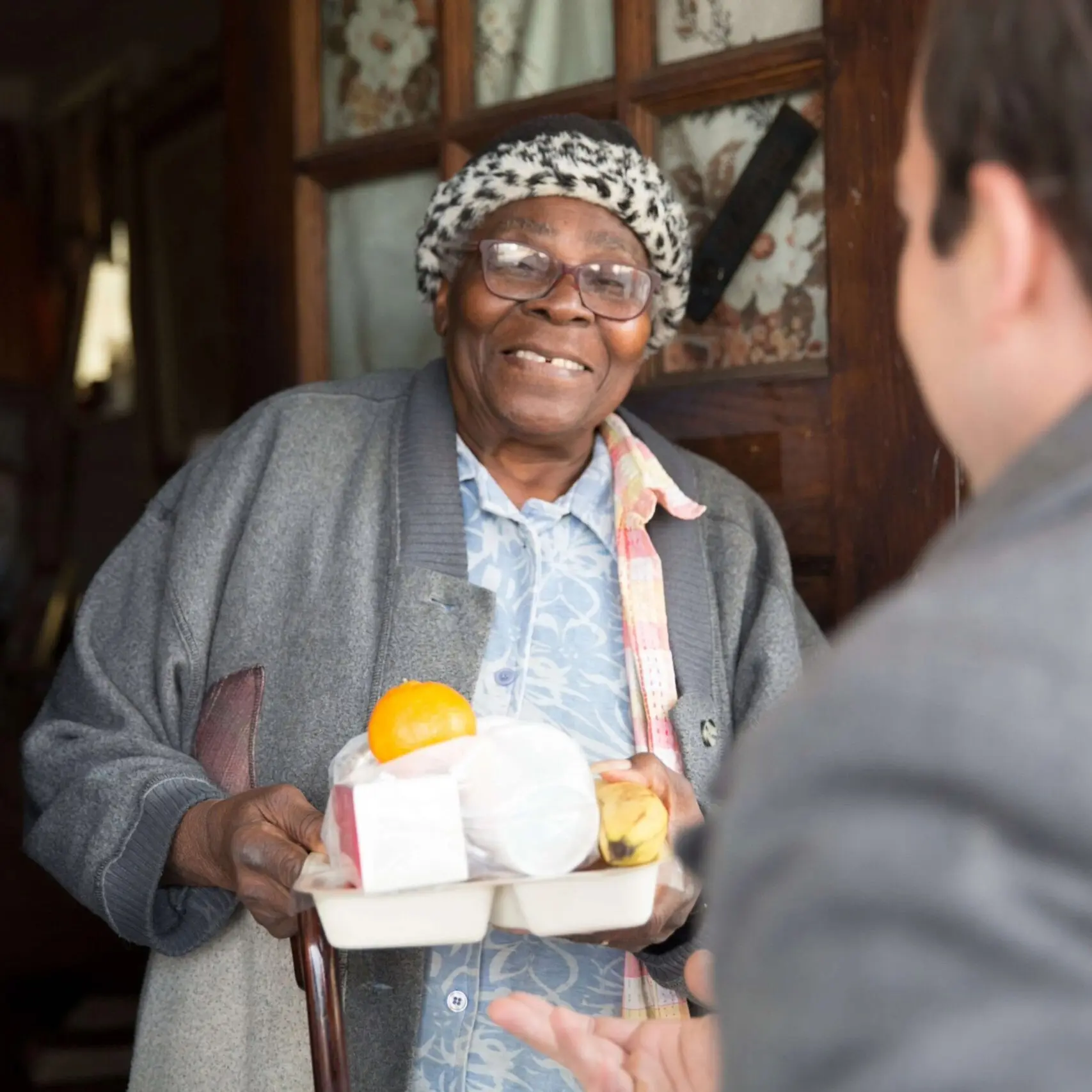
Meals on Wheels delivers more than meals. Approximately 5,000 local providers nationwide are a lifeline for older adults, bringing nutritious food, a caring check-in and routine safety observations that help seniors stay safe, healthy and independent at home.

Work With Us

Health Challenges Facing Older Adults

Food Insecurity
and Loneliness

Food insecure older adults are:

  • 19% more likely to have high blood pressure
  • 71% more likely to have congestive heart failure
  • 74% more likely to be diabetic
  • 64% more likely to have experienced a heart attack

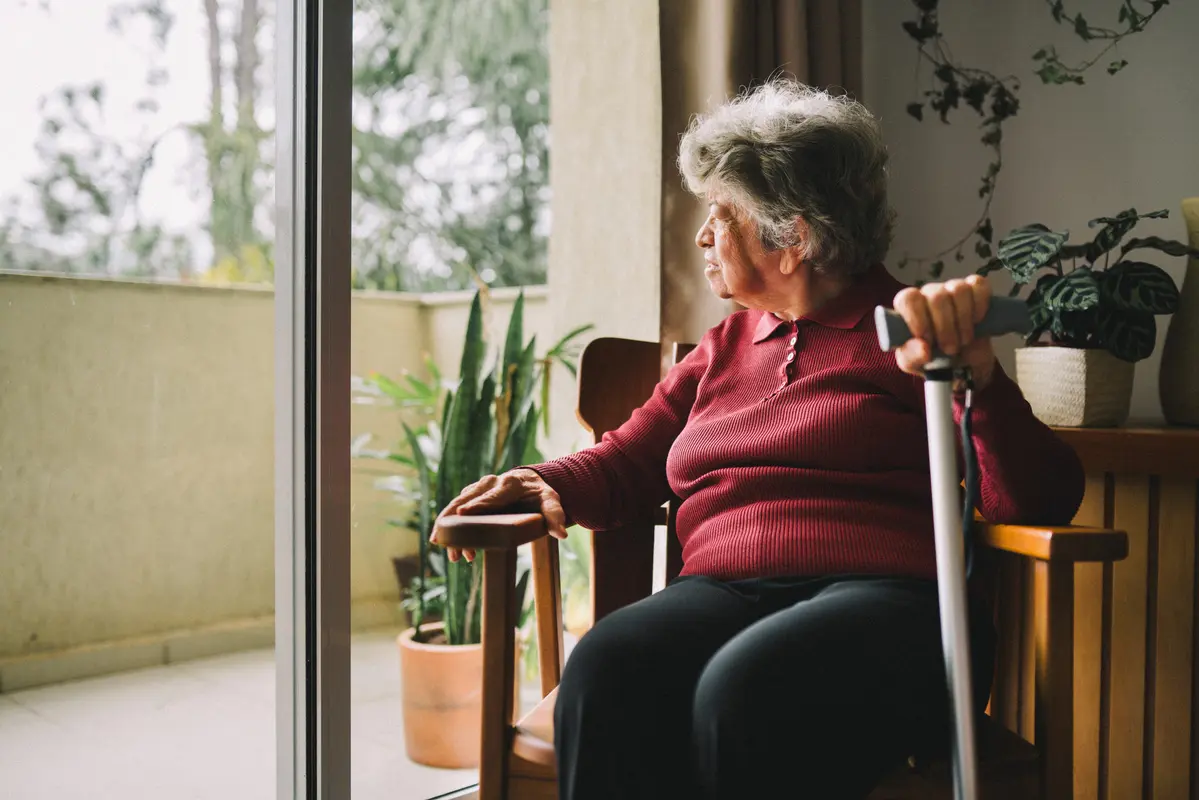
than food secure older adults.1 Social isolation and loneliness are associated with a 32% increased risk of stroke.2

Chronic Conditions and
Distant Support

The aging population is growing and changing.

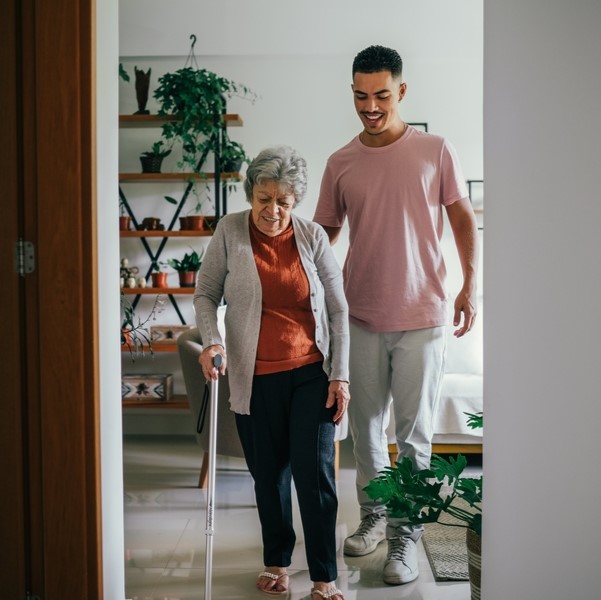
Older Americans are more likely to have multiple chronic conditions, like heart disease, diabetes or kidney disease and less likely to have nearby family support.

That’s where Meals on Wheels comes in for both seniors and their loved ones.


95% of adults age 60+ have at least one chronic condition

26% of home-delivered meal clients reported falling in the last month

66% of home-delivered meal clients take 5+ medications a day

Citations for statistics: 3 4

Asian Female Volunteer MOW Blue Shirt Meal Delivery Smiling Branded

Supporting Health at Home

How Meals on Wheels Supports Senior Health

The power of Meals on Wheels is more than a healthy meal and a friendly face — it’s the impact of nutrition, connection and safety.

As trusted members of the community, Meals on Wheels providers are welcomed into the homes and lives of the seniors they serve, making them uniquely positioned to support well-being and healthy aging in place.

Find A Provider in Your Area

The Meals on Wheels Difference

Provide a Sense
of Security

Meals on Wheels provides a sense of security, especially for homebound older adults for whom the person delivering their meals might be the only person they see all week. This consistent and reliable check-in puts the minds of seniors and their loved ones at ease, knowing that if a health concern arises, someone will be there to observe and help.

Identify Risks and
Address Problems

Local providers are able to observe changes to physical and mental health and identify risks before they become catastrophic and costly, helping safeguard senior health and independence. This can mean the difference between independent living at home and a transition to a costly long-term care facility.

Providing More Than a Meal

99% of providers are prepared to assist when a safety issue or change in a client’s health is identified

97% train the people who deliver the meals to keep an eye out for the senior’s well-being

85% provide other supportive services related to senior well-being, such as benefit eligibility assistance

Citations for statistics: 5

You get to know the people on your route…as you get to know the people, you can tell just from talking to them for a few minutes, whether they’re doing well or not doing well. Meals on Wheels Volunteer

Research-Backed Outcomes

Evidence and Key Research Findings

Research consistently reports that Meals on Wheels service:

  • Reduces use of costly health care services
  • Reduces nursing home use and increases ability to age in place
  • Reduces health care costs
  • Increases food security
  • Improves diet quality
  • Reduces or slows decline in nutritional risk
  • Reduces social isolation and loneliness
  • Reduces falls and increases home safety
See the Research

What Our Home-Delivered Meal Clients Say

79% say the meals help improve their health

78% say regular visits have made them feel safer at home

91% say the meals help them live independently

Citations for statistics: 6

Before receiving our meals, her cholesterol was through the roof and she was diabetic. She did not feel well at all. Thanks to her diet change, she no longer has to take cholesterol medications and her doctor now declared her pre-diabetic. Meals on Wheels Provider

Improving Health and Independence

Services for Health Care Providers

These remarkable outcomes are attributed to the profound impact of Meals on Wheels on critical aspects of older adults’ well-being, including food security, diet quality, nutritional status, social isolation, loneliness, and falls prevention and home safety — factors that significantly contribute to health care use and costs.

By fostering social connections, providing safety checks and delivering nutritious meals, Meals on Wheels supports older adults to maintain their health, independence and ability to age in their own homes and communities.

Meals on Wheels can be a valuable asset for health care providers and insurers by helping to avoid unnecessary hospitalizations and reducing hospital readmissions and post-discharge needs through nutrition, socialization and safety checks.

Work with Us

Senior Stories of Health and Independence

View All

Joel’s Story of Health, Hope and Perseverance

Joel Roy, a retired high school teacher, faces mobility issues and health challenges but wants to maintain their independence. Meals on Wheels has been essential in helping hi...

Read More

In the Kitchen with Inez

Inez McLean, a 70-year-old amputee in Maine, regained independence and joy through Meals on Wheels after losing a leg to vascular disease. With regular meal deliveries and com...

Read More

Martha Kratz: Opening the Door to Safety

Even with limited mobility, seniors like Martha can lead full, independent lives. Meals on Wheels is there to deliver more than a meal by helping to keep Martha, and millions ...

Read More


Citations

  1. Ziliak, J., Gundersen, C. (August 2021). The Health Consequences of Senior Hunger in the United States: Evidence from the 1999-2016 NHANES. Report for Feeding America. Available from Feeding America: https://www.feedingamerica.org/research/senior-hunger-research
  2. Valtorta NK, Kanaan M, Gilbody S, Ronzi S, Hanratty B. Loneliness and social isolation as risk factors for coronary heart disease and stroke: systematic review and meta‐analysis of longitudinal observational studies. Heart. 2016;102:1009–1016. https://doi.org/10.1136/heartjnl-2015-308790
  3. National Council on Aging. Chronic Inequities: Measuring Disease Cost Burden Among Older Adults in the U.S. A Health and Retirement Study Analysis. Page 5, Figure 2. April 2022. Data are for adults age 60 and older in 2018. https://ncoa.org/article/the-inequities-in-the-cost-of-chronic-disease-why-it-matters-for-older-adults
  4. 2023 Administration for Community Living (ACL) National Survey of Older Americans Act (OAA) Participants. Figures are from the responses of a nationally representative sample of clients receiving Home-delivered meals funded through Title III of the OAA. Data obtained through special ACL request.
  5. Meals on Wheels America 2025 Member Benchmarking Survey, conducted by Meals on Wheels America.
  6. 2023 Administration for Community Living (ACL) National Survey of Older Americans Act (OAA) Participants. Figures are from the responses of a nationally representative sample of clients receiving Home-delivered meals funded through Title III of the OAA. Data obtained through special ACL request.