When you hear the word hunger, older adults may not be the first people who come to mind. Yet millions of seniors across the country struggle to get the nutritious food they need to stay healthy and independent.
Senior hunger often looks different than many people expect. It isn’t always the result of an empty pantry. Instead, it can stem from rising grocery costs, limited mobility, transportation challenges and social isolation, making something as routine as shopping for groceries or preparing a meal increasingly difficult.
The effects reach far beyond an empty plate. Good nutrition helps older adults maintain their health and manage chronic conditions. Yet for far too many seniors, getting enough nutritious food isn’t as simple as opening the refrigerator.
1. Senior hunger is more common than many people realize.
Many people are surprised to learn that food insecurity affects millions of older adults across the United States. For someone living on a fixed income, even modest increases in grocery prices, utility bills or prescription costs can force difficult choices.
Those difficult choices can add up over time.
A skipped grocery trip or a smaller meal may seem minor on its own, but over time those compromises can take a toll on a person’s health and well-being.
Senior hunger isn’t an abstract issue. It’s experienced by older adults in neighborhoods across the country, even friends and family members — MeMaws, Papas, Nanas — people who have spent a lifetime raising families, building careers and caring for others.
2. Hunger isn’t always about food.
Imagine needing groceries but no longer feeling comfortable behind the wheel. Or living with arthritis that makes carrying heavy bags painful. Maybe climbing the front steps with a week’s worth of groceries feels impossible, or standing in the kitchen long enough to prepare dinner takes more energy than it once did.
For many older adults, these everyday challenges can make accessing nutritious food difficult, even when grocery stores are nearby.
Financial pressures often add another layer of difficulty. Many seniors live on fixed incomes, leaving little flexibility when food prices, housing costs or medical expenses increase. Stretching meals, buying less nutritious options or skipping meals altogether can become ways to make a limited budget last.
Health challenges can make things even harder. An older adult may be recovering from surgery, managing multiple chronic conditions or caring for a spouse with health needs of their own. When several obstacles overlap, something as simple as preparing dinner can become surprisingly complicated.
Understanding senior hunger means looking beyond what’s on the plate. Addressing it requires looking at the whole picture and helping older adults safely access the nutritious meals they need.
3. Good nutrition supports far more than physical health.
The benefits of good nutrition don’t end when the meal is over.
Every nutritious meal provides the fuel older adults need to stay active, maintain muscle strength and recover from illness or injury. It also helps people remain engaged in daily life and continue doing the activities they enjoy.
When someone isn’t getting enough nutritious food, the effects often build gradually. They may have less energy, find everyday tasks more difficult or take longer to recover from illness.
Good nutrition is about more than preventing hunger. It supports healthy aging, helping older adults maintain their independence and continue living safely in the homes they know and love.
4. Mealtime is about more than food.
Think about the last meal you shared with someone.
Chances are, you remember more than what was on the plate. You remember the conversation, the laughter or simply the comfort of being together.
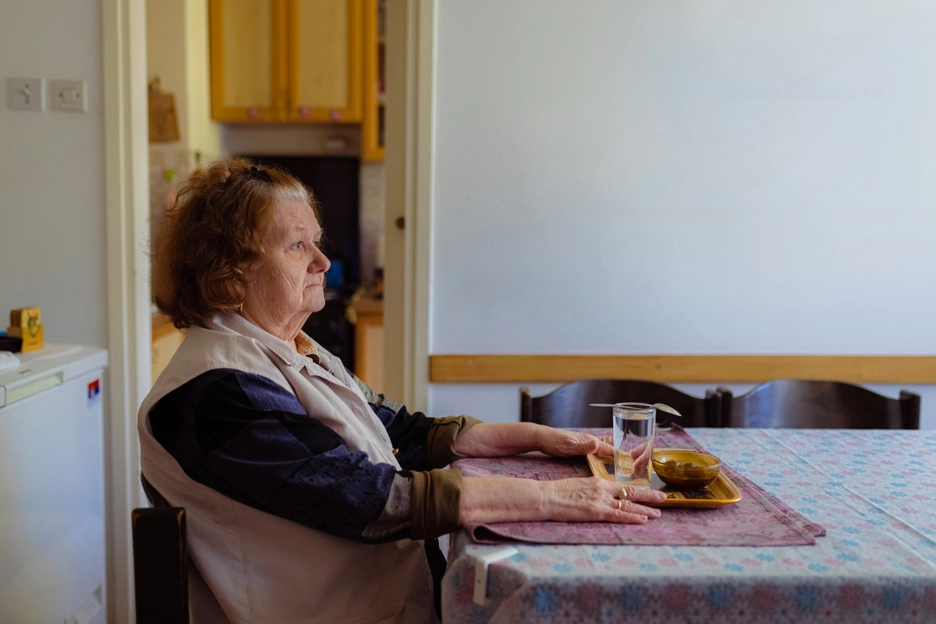
For many people, sharing a meal is part of everyday life. It’s a chance to catch up with family, connect with friends or enjoy a familiar routine. But for many older adults, meals are often eaten alone.
After the loss of a spouse, changes in mobility or retirement, preparing a meal for one may no longer feel worth the effort. Social isolation can make it easier to skip meals or lose interest in cooking, turning what was once a daily ritual into a chore.
That’s why a shared meal — or even a simple conversation — can make such a meaningful difference.
Local Meals on Wheels providers recognize that nourishing someone means more than delivering food. Friendly visits, wellness checks and opportunities for connection help ensure older adults feel seen, supported and remembered.
Because sometimes the most important thing delivered isn’t on the plate.
It’s the reminder that someone cares.
5. Senior hunger doesn’t look the same for everyone.
It’s easy to think of senior hunger as a single problem with a single solution.
The reality is far more complex.
Someone living in a rural community may have to travel miles to reach the nearest grocery store. Someone in a suburb may have stores nearby but no reliable transportation. In a city, carrying groceries up several flights of stairs or navigating public transit can turn a simple shopping trip into a major challenge.
Health and finances can make matters even more difficult. Recovering from surgery, managing a medical condition or coping with rising housing and prescription costs can quickly make accessing nutritious food feel overwhelming.
No two stories are exactly alike, which is why there isn’t a one-size-fits-all solution. Addressing senior hunger starts with understanding the unique challenges older adults face and responding with support that meets them where they are.
6. Most older adults want the same thing.
Ask people where they’d like to grow older, and the answer is remarkably consistent: Home.
Home is where routines are familiar, neighbors are recognizable and memories have been made over a lifetime.
Growing older doesn’t change the desire to stay there. What changes are the everyday tasks that can become more difficult.
The right support can make all the difference. Access to nutritious meals, reliable transportation, home modifications and community-based services can help older adults continue living safely and comfortably where they feel most at home.
Helping people age in place is about preserving independence and choice. It’s about creating the conditions that allow people to continue living with dignity in the place they call home.
7. Small acts of support can have a lasting impact.
Meaningful change often begins with something small. It might be offering to pick up groceries for an older neighbor, sharing a meal, driving someone to a doctor’s appointment or simply making a phone call to check in.
These simple acts can ease everyday challenges while reminding someone they aren’t facing them alone.
Communities thrive when people look out for one another. Family members, friends, volunteers, local organizations and neighbors all play a role in helping older adults remain healthy, connected and independent.
Individual kindness matters.
So does collective action.
Communities that invest in programs for older adults, strengthen partnerships and support policies that meet the needs of an aging population help create places where more people can thrive.
No one can solve senior hunger alone. But together, small acts of compassion can make a lasting difference.
8. Meals on Wheels providers deliver more than a meal.
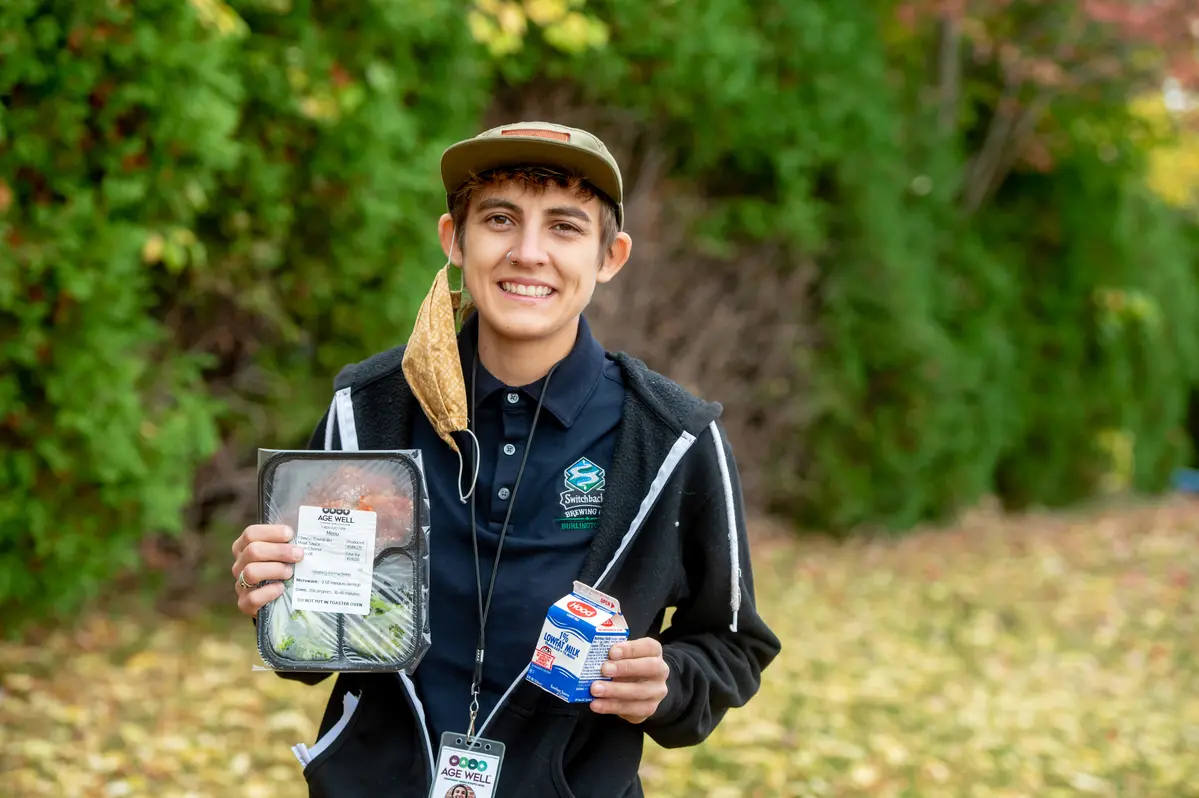
A meal may be what brings a volunteer to someone’s door, but it’s often just the beginning of the story.
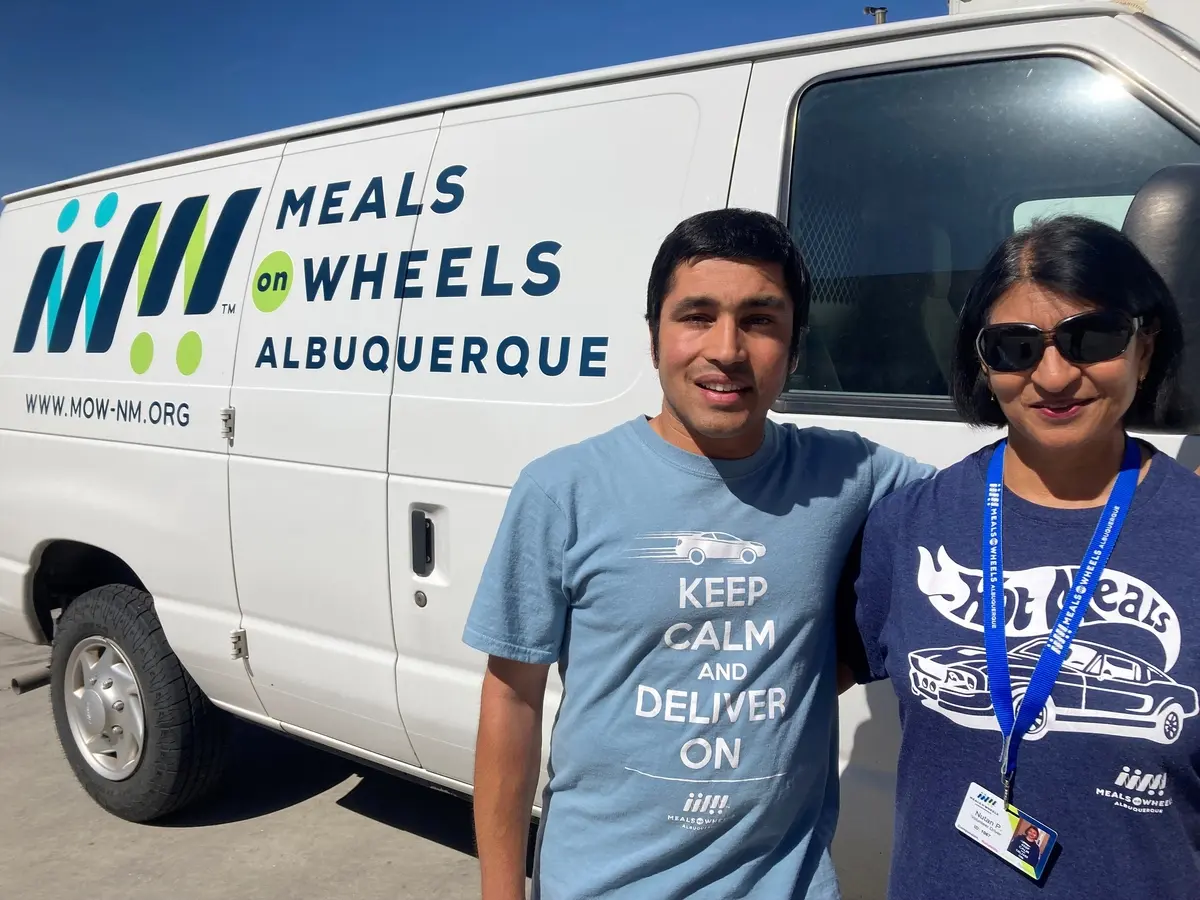
Across the country, local Meals on Wheels providers help older adults access nutritious meals while offering something just as important: connection.
A friendly face at the door.
A familiar conversation.
The reassurance that someone is checking in.
For many older adults, those moments provide consistency, encouragement and the comfort of knowing someone cares.
Those visits can also help identify changes that might otherwise go unnoticed, connecting older adults with additional support before a small concern becomes a larger challenge.
Every community is different, which is why local Meals on Wheels providers tailor their services to meet the unique needs of the people they serve.
Together, those meals, visits and relationships become something much bigger than food alone.
They become a lifeline.
9. The need for support will continue to grow.
America’s older adult population is growing, and with it comes an increasing need for services that help people stay healthy, connected and independent as they age.
Addressing senior hunger is one part of that larger picture. Access to nutritious meals, social connection and community-based support can help older adults maintain their health, independence and quality of life.
Preparing for an aging population isn’t simply about meeting today’s needs. It’s about building communities where people can age with dignity and where future generations will have the support they need.
10. Everyone has a role to play.
Senior hunger is a complex challenge, but meaningful change often begins with simple actions.
For some, that means volunteering with a local Meals on Wheels provider. For others, it may mean advocating for policies that support older adults, making a charitable gift or learning more about the challenges seniors face.
Sometimes, it starts even closer to home: checking in on an older neighbor, sharing a meal with a relative, offering a ride to the grocery store or noticing when someone may need a helping hand.
Meeting the needs of an aging population requires collaboration among nonprofit organizations, health care providers, community partners, policymakers and local supporters.
Because creating communities where older adults can thrive isn’t the responsibility of just one organization or one person.
It’s something we build together.
Looking Ahead
The next time you hear the word hunger, perhaps you’ll think beyond the empty plate.
You’ll think about the older adult who no longer feels comfortable driving to the grocery store, the neighbor recovering from an illness, the grandparent stretching a fixed income or the friend who simply misses having someone to share a meal with.
You’ll think about a MeMaw, Papa or Nana whose daily routine has quietly become more difficult than most people realize.
Senior hunger touches every community. But so does compassion.
Every conversation that raises awareness.
Every volunteer who gives their time.
Every neighbor who checks in.
Every act of generosity.
Each one helps create a future where more older adults can remain healthy, connected and independent in the place they call home.
Because everyone deserves the opportunity to age with dignity.
And sometimes, changing someone’s life begins with something as simple as a knock on the door, a nutritious meal and the reminder that someone cares.