How Volunteers Builds Community Through Meals on Wheels
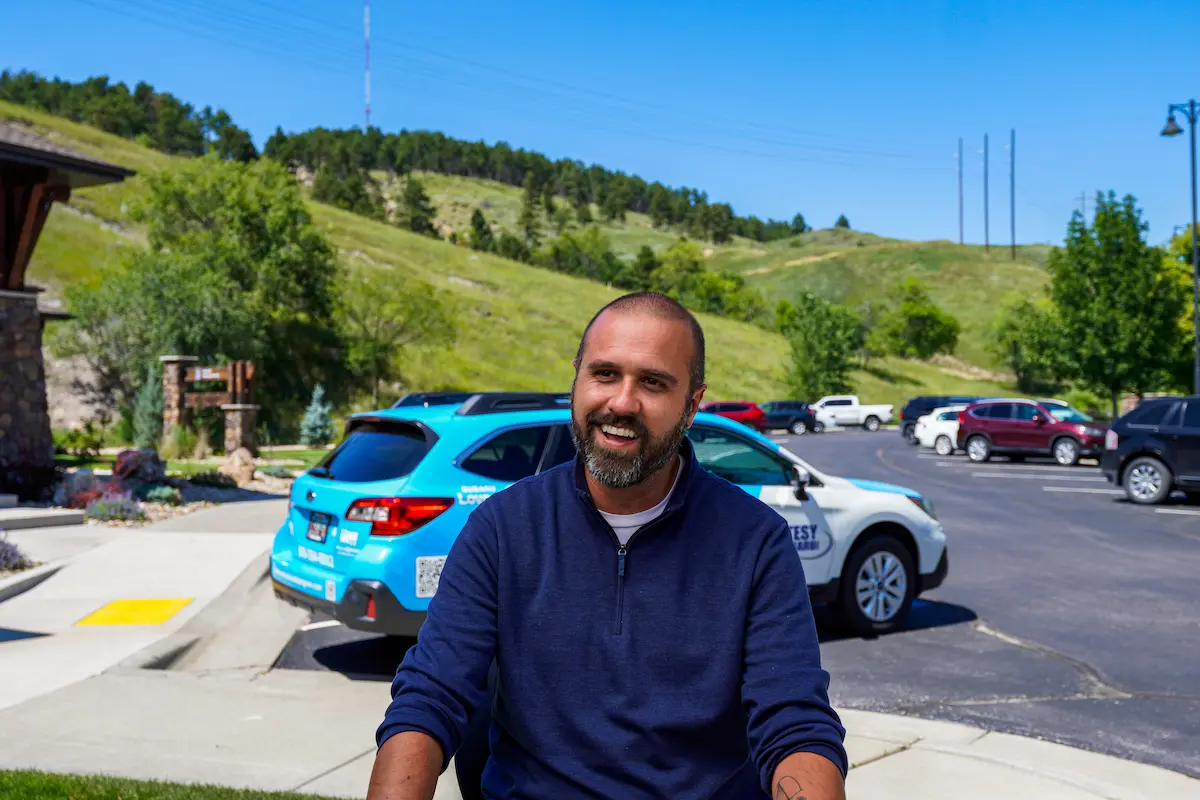
For Seth Malott, delivering meals is about more than a weekly routine — it’s about community support for seniors. Inspired by the Lakota value of caring for one another, S...
Read This Story
The success of Meals on Wheels in Oklahoma City shows the power of community partnerships for senior care. What began in 1971 as a small group of churches delivering meals has grown into a network of 60 partners, 400 volunteers and a shared commitment to helping homebound seniors. Their collaborative model proves that when organizations work together, they can expand reach, reduce waitlists and make lasting change in their communities.

The beginnings of Meals on Wheels Oklahoma City date back to 1971, when a group of churches came together to provide meals to seniors in the community.
Today, Executive Director Chris Lambert and Associate Director Morgan Jones oversee a small but growing programs that relies on 60 churches and partner organizations to administer services.
In recent years, they have established a centralized kitchen at St. Luke’s Methodist Church, expanded their list of partners and increased service from 400 to 925 recipients. They serve 215,000 meals annually and rely on the support of 400 active volunteers.
Moving forward, they are focused on growth, including returning to pre-pandemic levels of services (the current 925 recipients represent a 100 decrease from their max levels) and managing a waitlist of 150 seniors.
COVID-19 raised awareness among many Meals on Wheels providers across the country of the hidden needs in their communities.
The story was no different for the Meals on Wheels Oklahoma City team. They recognized the increased vulnerability of homebound seniors to loneliness, isolation, and lack of access to regular and nutritious meals and had a crucial decision to make.
“COVID was a very pivotal point for us; we could stop taking people in, or we knew it was going to explode, and we went that direction,” Morgan says.
Five years later, they are no longer able to rely on a steady stream of pandemic-time donations and continue to face staff limitations.
Yet, one victory at a time, they are expanding their reach and capacity, with the hope of one day ending the waitlist.
More funding would be a game changer for Meals on Wheels Oklahoma City. The local provider estimates that a $100,000 annual investment could end their waitlist. The funds would address salaries, food, packaging, delivery costs and more.
Funding beyond $100,000 would cover the cost of a new delivery vehicle and support an aspirational goal of conducting data collection on “lifers,” individuals who have lived in their homes for 60 years, to forecast current and future needs and provide more meals.
In addition to seeking more financial resources, they are “[always] looking at creative solutions to piece by piece increase capacity,” Jones says. Their capacity building requires the constant addition of partners and community organizations — an unusual model that is sometimes slow and steady yet effective.
“If you want to go fast, go alone; if you want to go far, go with others,” Jones says of their mantra.
Their approach is yielding steady results. Companies such as Oklahoma Oil and Gas and Forge Financial are just two examples of the partners that recently stepped up to support their efforts.
Additionally, the recent expansion of service from four to five days of meal delivery in a pocket in Eastern Oklahoma City provides another spark of hope that they are on the right track.
Meals on Wheels Oklahoma City is an extension of St. Luke’s service mission, offering a built-in awareness-building mechanism.
In addition to individuals who attend services in person, Chris says that 15,000 households in the Oklahoma City metro area watch televised services and regularly learn about their food ministry efforts.
They also maintain strong relationships with local media and the vast network of churches they partner with to recruit volunteers, partners and donors.
Like many providers, Meals on Wheels Oklahoma City faces an uphill battle against rising demand and the push to do more with less. Yet, they remain undeterred.
Their advice to other providers is: to spend more time in the field to identify bottlenecks in processes and areas for improvement, and not to lose sight of the impact they have on each senior they serve.
“[Remember], ‘What I’m doing for one person, that’s enough,’” Jones says.
For Seth Malott, delivering meals is about more than a weekly routine — it’s about community support for seniors. Inspired by the Lakota value of caring for one another, S...
Read This Story
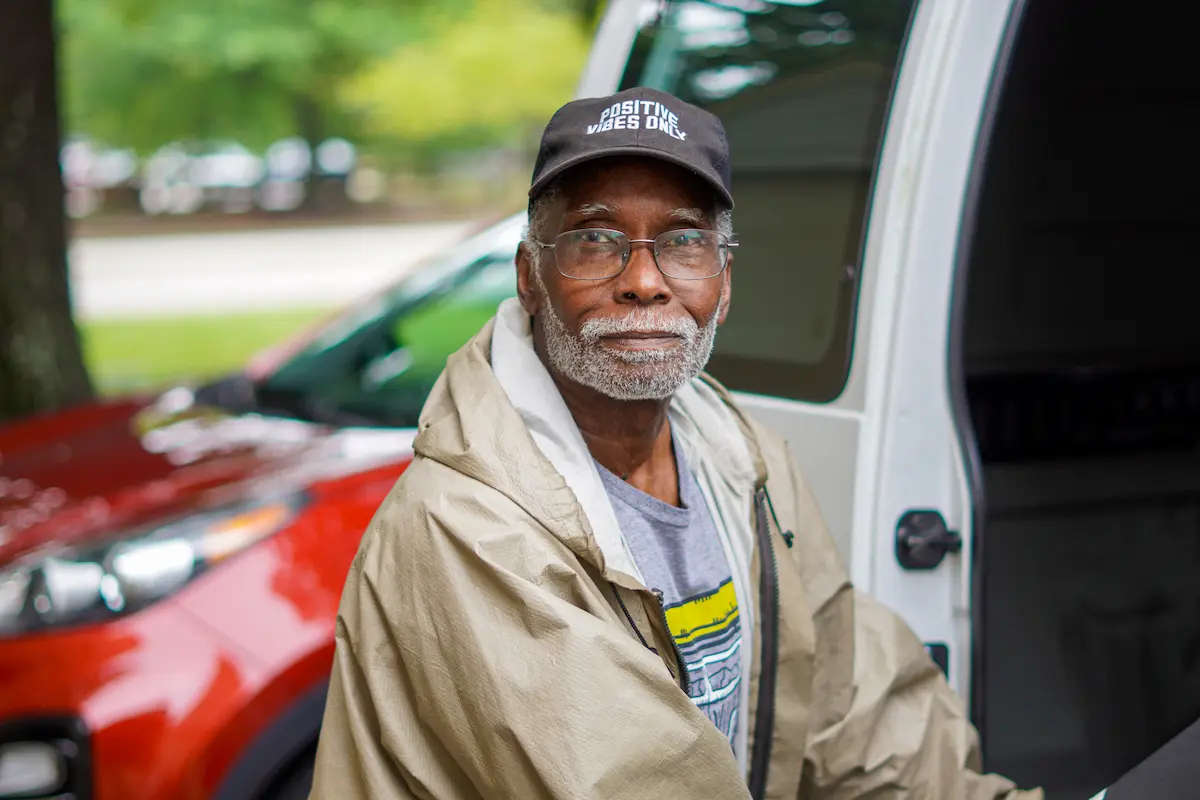
For Ray Hussein, veterans volunteering in their community is more than an idea — it’s a continuation of a lifetime of service. After retiring from the Air Force, Ray found...
Read This Story
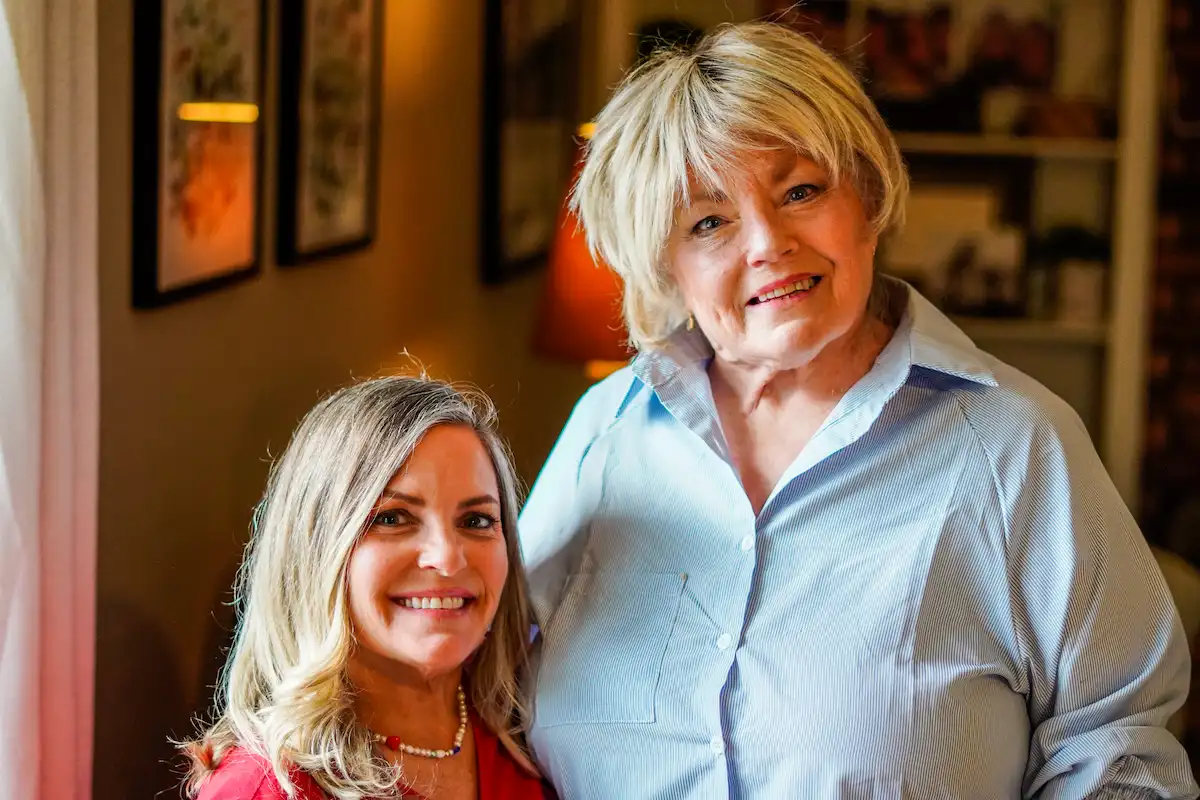
For Oklahoma City resident Marla Pierce, life changed after a series of unexpected health challenges. But with independence and support for seniors from Meals on Wheels, sheâ€...
Read This Story
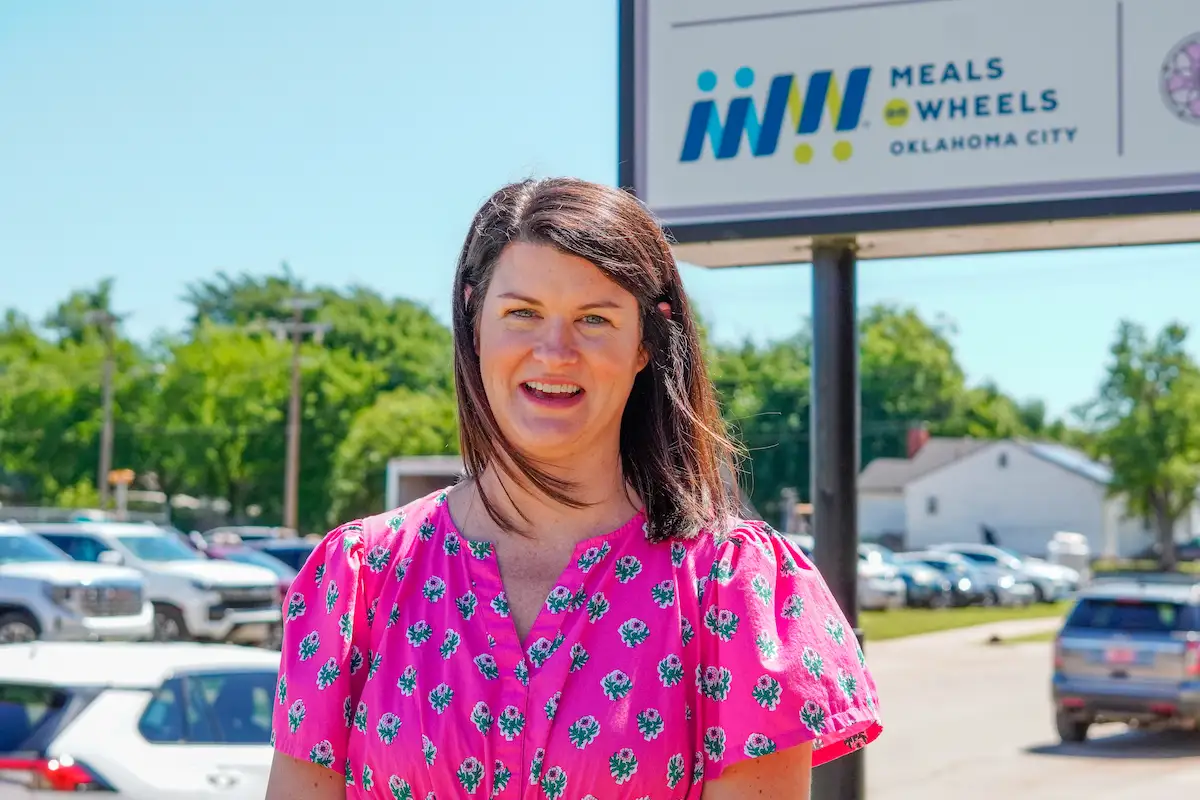
Sometimes, a single moment can change everything. For Morgan Jones at Meals on Wheels Oklahoma City, every call to someone finally off the waitlist is a reminder of why timely...
Read This Story