

How to Help Seniors: Ways to Give That Fit Your Life
Your support strengthens the Meals on Wheels network and helps local providers serve older adults facing hunger and isolation. If you are exploring ways to give to charity thi...
Read This Story
Betty’s story highlights the daily struggle of seniors facing food insecurity in North Carolina. After defying medical odds, she found herself battling hunger and isolation while waiting months for Meals on Wheels. Her experience reflects a growing crisis — and the lifesaving impact of reliable nutrition and care.
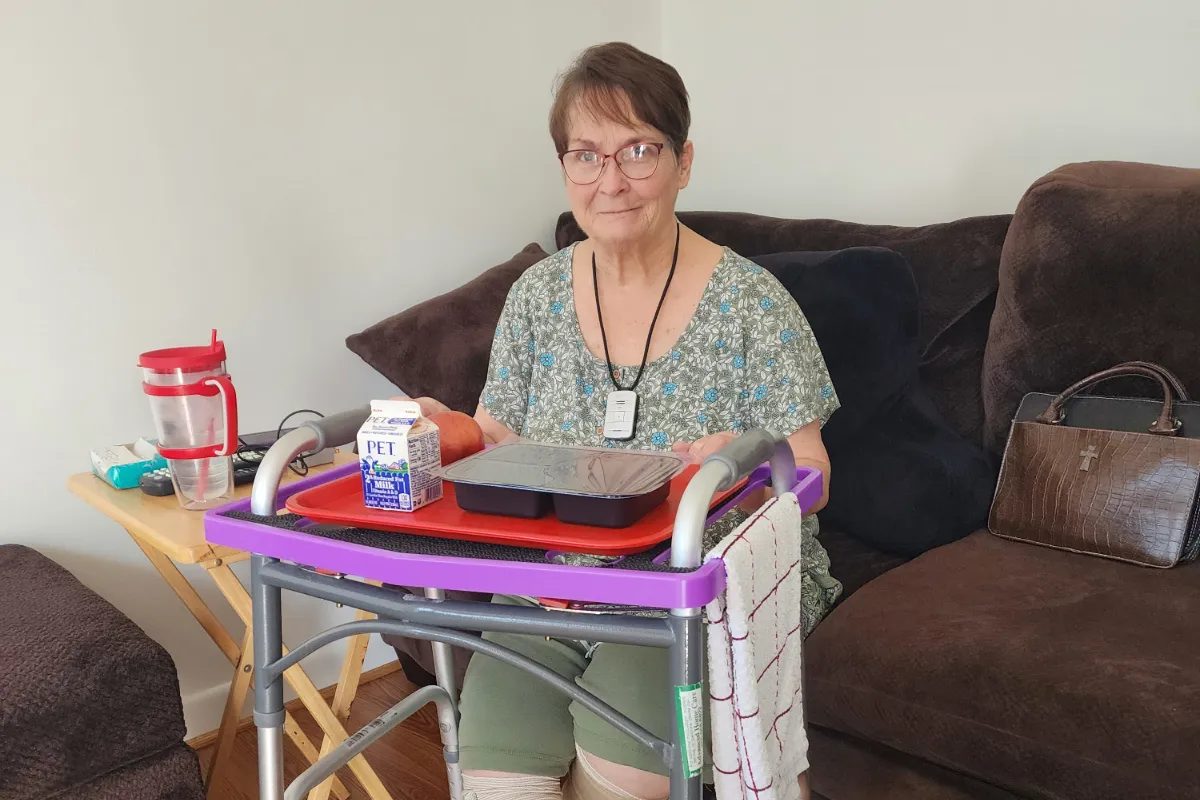
In communities across North Carolina, thousands of older adults are quietly struggling with hunger. For many, recovery from illness or injury is made harder by the lack of consistent, nutritious food. Local Meals on Wheels programs are on the frontlines, but rising costs and limited resources have forced more providers to create waitlists, leaving seniors to fend for themselves.
For seniors facing food insecurity in North Carolina, hunger isn’t just about empty plates — it’s about empty cupboards, missed medications, and a dangerous decline in health. Every delay in funding or service means another senior choosing between groceries, medical care, and survival.
Betty’s story brings this reality into sharp focus. After years of health challenges, she faced yet another obstacle: how to stay nourished and independent when help was months away.
When Betty reached out to Meals on Wheels Davidson County in Lexington, North Carolina, she had just been discharged from the hospital. For more than a decade, she’d battled a recurring infection so severe it once left her in a 45-day coma. Doctors said she’d never walk again, but Betty defied the odds.
Still, recovery hasn’t been easy. Betty lives alone on a limited income with no family nearby and struggles to afford healthy food. While on a waitlist with 120 other seniors, she had to choose between repairing her car — which her caregiver relies on for appointments — and buying groceries. For four months, she ate a single meal a day, often without fruits or vegetables. By the time a caseworker visited her home, her cabinets and refrigerator were nearly empty. After the visit, Betty received the call that changed everything — a delivery spot had opened.
“I don’t know what I would have done had I not gotten that call,” she said. “People don’t know how important this program is to us that need it most.”
Unfortunately, Betty’s story is far from unique. Across the country, more and more older adults are asking for help, but there simply aren’t enough resources to serve them all. Rising food and fuel prices, staffing shortages and stagnant funding have stretched local providers to the limit, forcing many to create waitlists for the first time in years. According to Meals on Wheels America’s research, nearly 46,000 seniors are on waitlists — that’s nearly enough people to fill Yankee Stadium.
“It is heartbreaking to hear stories like Betty’s,” said Cameron Hartwell with Meals on Wheels Davidson County. “There are so many folks out there — those who have worked hard to lay the foundations of our communities — who are struggling to survive.”
When Betty finally received her first meal, it marked the beginning of a new kind of recovery — one fueled by nourishment, compassion, and connection. Her story is one of resilience, but it also reflects a painful truth: no senior should have to wait for food in order to heal.
Local programs like Meals on Wheels Davidson County know the solution — steady, sustainable funding that meets the growing demand. With increased support, providers could eliminate waitlists, reach isolated seniors sooner, and prevent avoidable health crises before they start.
Betty’s journey reminds us that food is more than sustenance; it’s dignity, safety and hope. Together, we can ensure that seniors facing food insecurity in North Carolina never have to go hungry again.
Your support strengthens the Meals on Wheels network and helps local providers serve older adults facing hunger and isolation. If you are exploring ways to give to charity thi...
Read This Story
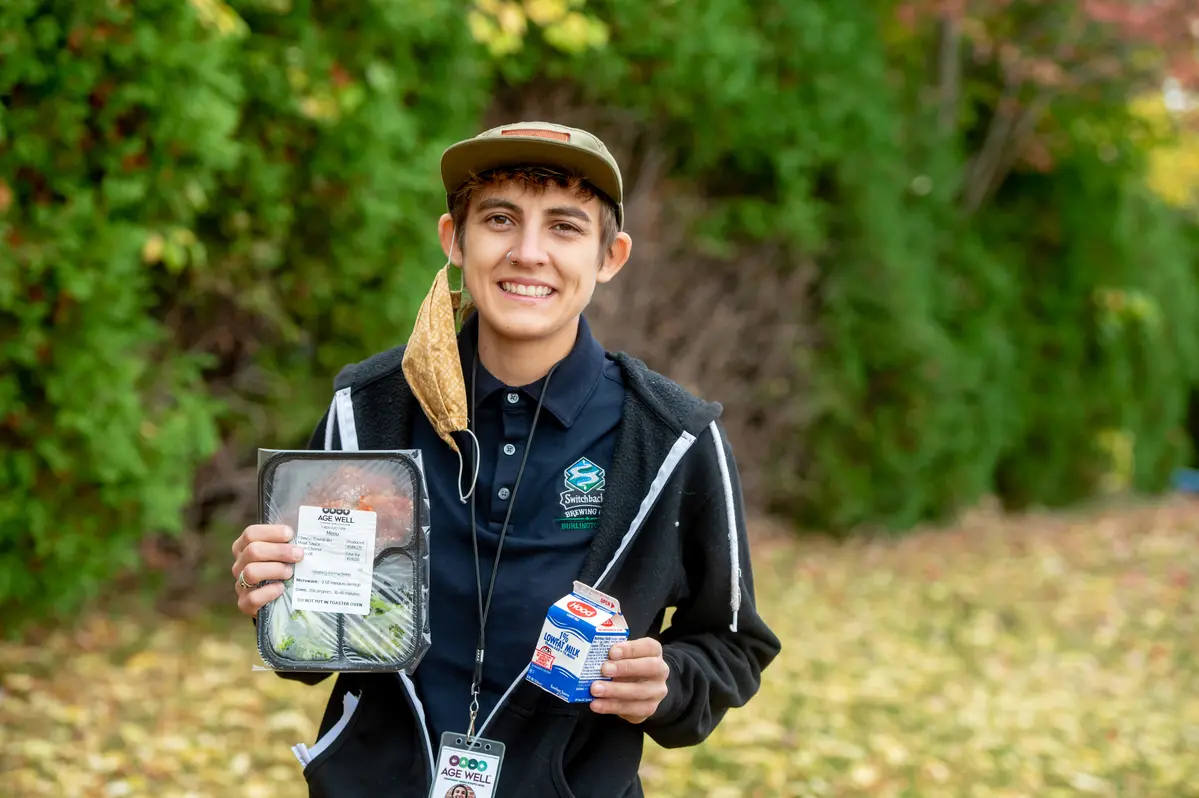
Knowing how valuable and meaningful volunteering can be, Sarah and her co-workers decided to start a Meals on Wheels team together. One day on her route, she met Bill and soon...
Read This Story
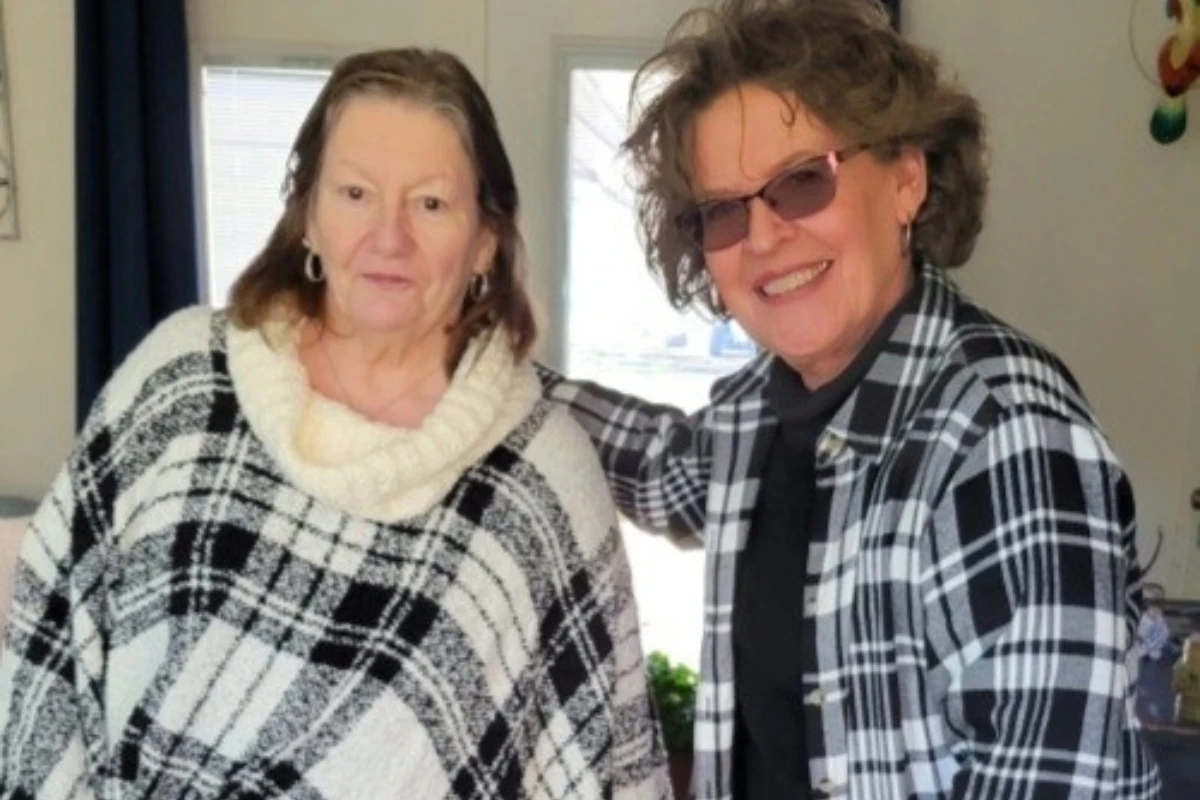
When longtime Meals on Wheels volunteer, Debbie arrived at Brenda's home, she noticed her dog Ranger was not behaving like his normal self. Knowing how much Brenda relies on R...
Read This Story
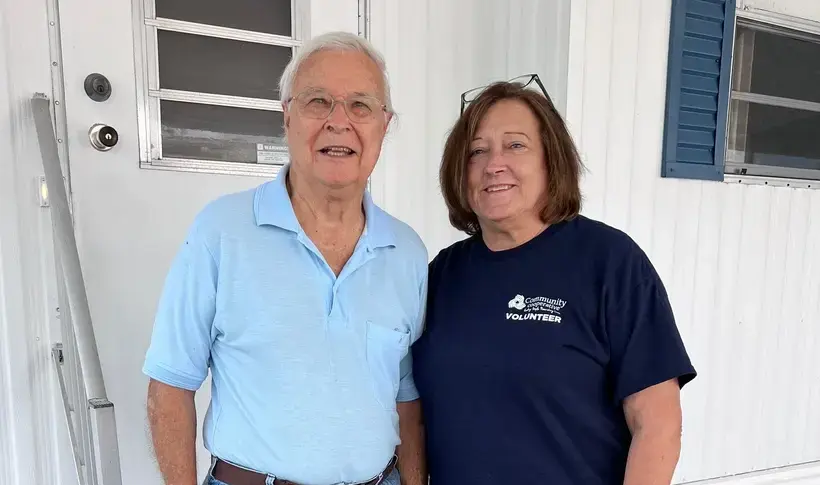
In 2022, Charles' wife passed away. When Hurricane Ian struck just two weeks later, Charles worried he would never get to say goodbye to his wife. With Cathi and Community Coo...
Read This Story