As funding levels continue to show flat funding, we are urging our elected leaders to increase funding for Meals on Wheels. With increased sustainable funding we could address the tens of thousands of seniors on dangerous waitlists and the 2.5 millions of seniors who could benefit from these services but continue to wait.
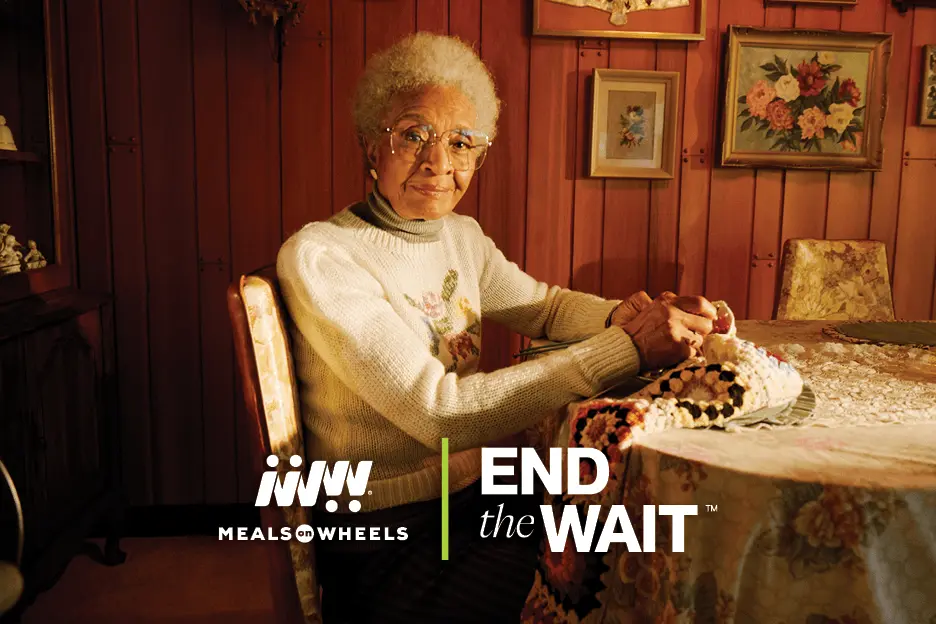
Right now, 46,000 older adults across America are on waitlists for Meals on Wheels, enough people to fill Yankee Stadium. These are not numbers on a spreadsheet. They are veterans like Rodney, who waited six months while battling PTSD and went to bed hungry most nights. They are survivors like Betty, who spent four months eating one meal a day after doctors said she would never walk again. They are caregivers like Darlene, watching her husband Henry lose weight while his dementia worsened.
The crisis is urgent, and it is getting worse.
The Funding Gap Is Real and Growing
Across the Meals on Wheels network, the math is unforgiving. In South Carolina, providers report being “$40,000 in the hole because the state pays 80 cents less per meal than it costs to make.” In Texas, providers have cut back from 950 meals daily to 600 because funding has not kept pace with rising costs. That means fewer seniors getting the nutritious meals, social connection and safety checks they need.
The result is painful. Veterans like Rodney in North Carolina call every two weeks asking for updates while their health deteriorates. His provider captured the frustration: “If we had the funds, we could easily create the routes.”
Meanwhile, 77-year-old Mildred in Texas risked her life crossing highways to buy groceries. Sisters Donna and Mynette in North Carolina endured homelessness and malnutrition on an 800-name waitlist. In Florida, Satish survived on carrot juice and went to bed hungry for three years while diabetes made cooking dangerous.
What Is at Stake
Waitlists create cascading crises that extend far beyond hunger. The following examples show what is already happening. The data shows that without stronger support, things will get worse for many more seniors.
- Health deterioration: Henry in South Carolina lost troubling amounts of weight during his six-month wait. Mynette relied almost exclusively on peanut butter and jelly sandwiches. Betty had to choose between car repairs for medical appointments and groceries. Across the country, 94% of adults age 60 or older have at least one chronic condition. Chronic illness makes cooking, shopping, or even standing unsafe for many.
- Safety risks: Mildred’s daily highway crossings. Linda in Texas skipping meals to keep her lights on. Seniors with memory loss or mobility issues risk injury simply doing basic tasks at home. One in four older Americans 65 or older reported falling in 2020. Many who live alone spend much of their day with little if any social interaction.
- Caregiver burnout: Darlene’s eyesight worsened, making cooking unsafe, yet she had no choice but to continue caring for Henry. “It is not reasonable that seniors who have served their community their whole lives cannot depend on their community when they need them the most,” said one provider.
- Economic hardship: Every preventable health crisis, emergency room visit, or premature nursing home placement resulting from inadequate nutrition costs far more than the meals themselves. Half of older adults living alone say they cannot afford basic needs. Rising costs force many to choose between medicine and food, rent and groceries, safety and necessity.
The Solution Exists
When funding is increased, the transformation is immediate. Satish regained strength and independence. Rodney’s depression eased with daily check-ins. Mildred no longer risked her life for food. Betty finally had the nutrition she needed to complete her recovery.
On average, eliminating a local waitlist costs about $600,000 per year. Compare that to the far greater cost of emergency interventions and institutional care when seniors do not receive adequate nutrition.
Specific Congressional Action Needed
House and Senate Appropriations Committees: Protect and expand funding for the Older Americans Act Nutrition Program in the fiscal year 2026 Labor-HHS-Education appropriations bill. Current levels do not begin to address the rising costs and demand for services that can cause providers to choose between serving existing clients and accepting new ones.
What You Can Do Today to Help End the Wait® for Seniors
- Contact your members of Congress.
- Reference the fiscal year 2026 Labor-HHS-Education appropriations bill and urge robust funding for the Older Americans Act Nutrition Program.
- Share stories: mention that 46,000 seniors are currently waiting, including veterans, caregivers and medically vulnerable adults.
The infrastructure exists. The need is documented. The solution is proven. What is missing is adequate funding to match the scope of the challenge.
Seniors should be prioritized, we can End the Wait.