

How to Help Seniors: Ways to Give That Fit Your Life
Your support strengthens the Meals on Wheels network and helps local providers serve older adults facing hunger and isolation. If you are exploring ways to give to charity thi...
Read This Story
From risking her life crossing highways to surviving on peanut butter sandwiches, the stories of Mildred, Donna, Mynette, and Rodney expose the painful reality of seniors waiting for meals. Across the country, waitlists force older adults to choose between hunger, health, and hope — reminding us that every delay has a human cost.
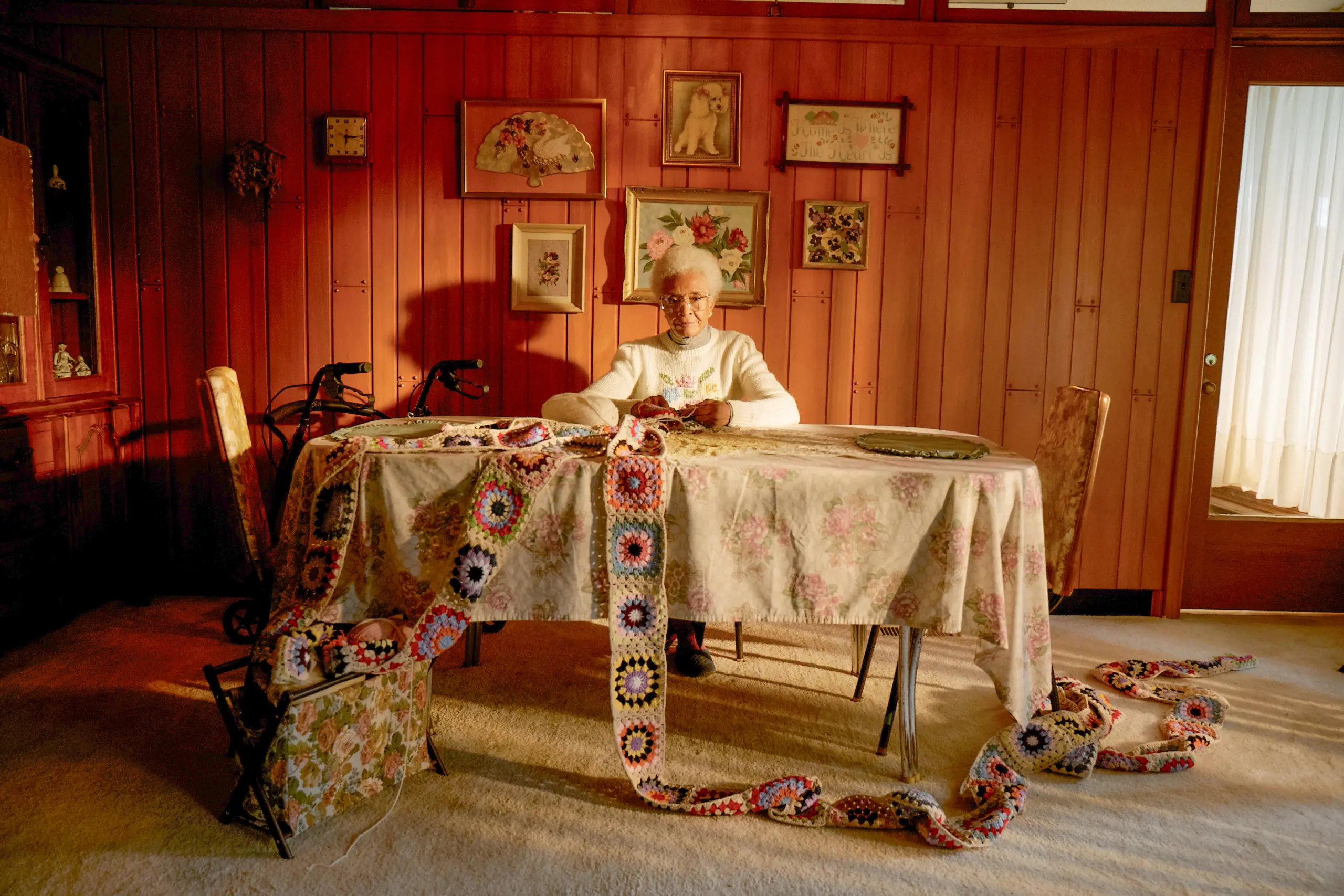
This post is part of our End the Wait® series, highlighting real stories from across the Meals on Wheels network. Tens of thousands of older adults are on waitlists for meals today, and their experiences show what is at stake if funding does not keep pace with rising demand.
At 77, Mildred faced a choice no one should ever have to make.
With no car and no family nearby in rural Texas and a waitlist at her local Meals on Wheels provider, her only option for groceries was walking across a major highway, a journey made deadly by her heart problems and the scorching heat.
“Our fear was she would get hit or collapse from heat exhaustion,” said the Meals on Wheels provider, who could only watch as Mildred risked her life every few days just to eat.
The meals were ready. Volunteers were ready. But Mildred had to wait six months until a home-delivered meal spot opened up due to limited funding. When that first meal finally arrived at her door, her caseworker called it “more than nourishment. It was a lifeline.”
In North Carolina, sisters Donna and Mynette faced a different reality. After being evicted, they found themselves moving between shelters with nowhere to turn. Mynette, who lives with both physical and mental disabilities, needs consistent care and nutrition that Donna could not provide while also trying to manage their homelessness.
When Donna called their local Meals on Wheels provider, she was stunned to learn she was joining a waitlist 800 names long, four times the national average. Even with a “critical case” designation, the sisters waited five months.
By the time meals began arriving, Donna had gone days without eating a full meal. Mynette had lost dangerous amounts of weight, surviving almost exclusively on peanut butter and jelly sandwiches. “I truly cannot even think about what would have happened if the wait had been longer,” Donna said.
Rodney, a veteran who served in Afghanistan, knows exactly what long waits mean. He returned home with PTSD, depression and epilepsy, conditions that left him homebound and unable to work. Choosing between paying bills and buying food became a monthly reality.
For six months, Rodney called his local Meals on Wheels provider every two weeks, asking if there was any news on when he would come off the waitlist. Most nights, he went to bed hungry.
“If we had the funds, we could easily create the routes,” explained the Meals on Wheels provider, capturing the frustration felt across the network.
When funding eventually opened a slot, the impact was immediate. Rodney began receiving meals and daily check-ins that eased his depression and helped him feel less alone. The relief of knowing food would arrive each day gave him more than nourishment. It gave him back hope.
These stories expose a cruel truth: waitlists do not just delay help, they escalate crises. Every month that passes means more seniors like Mildred risking their lives, more families like Donna and Mynette struggling to survive without support and more veterans like Rodney losing hope.

The annual appropriations process for fiscal year 2026 is in full swing, and members of Congress need to hear from their constituents and local leaders like you! Email your elected officials with a short story about your organization and its impact in your community to help your members of Congress understand the importance of funding the lifesaving services you provide.
Your support strengthens the Meals on Wheels network and helps local providers serve older adults facing hunger and isolation. If you are exploring ways to give to charity thi...
Read This Story
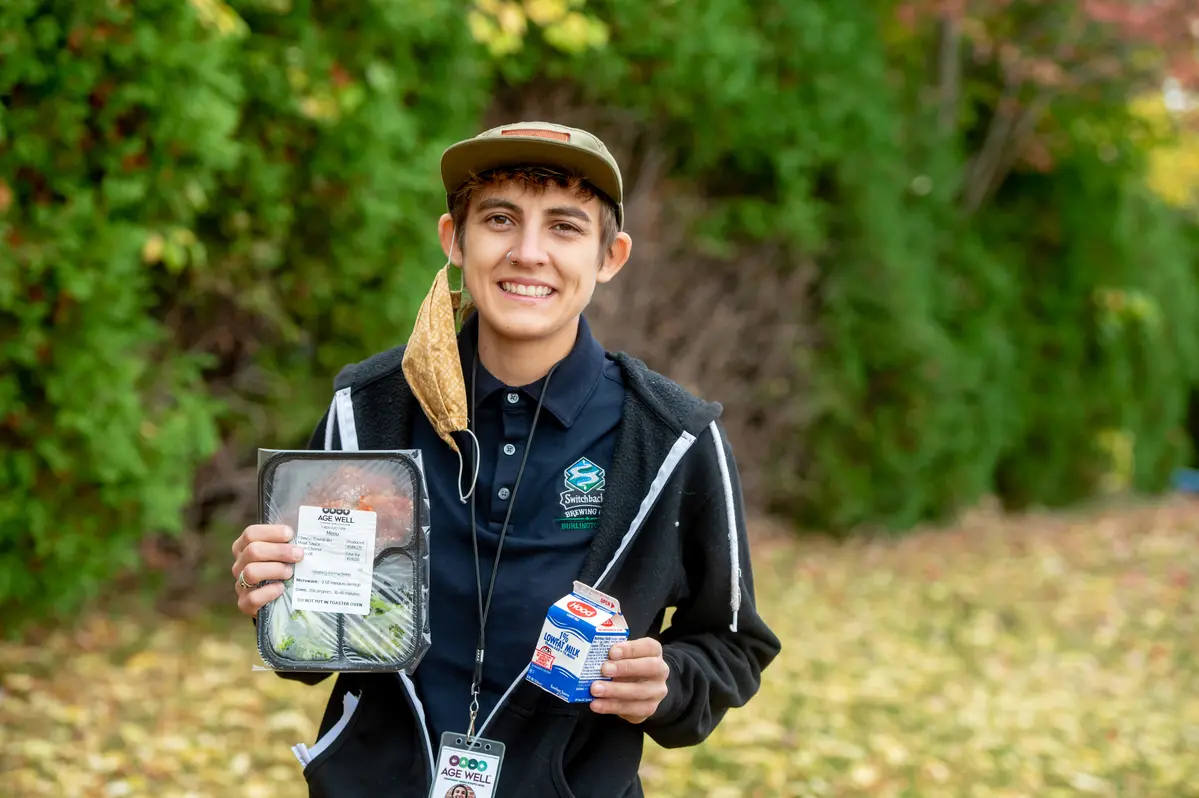
Knowing how valuable and meaningful volunteering can be, Sarah and her co-workers decided to start a Meals on Wheels team together. One day on her route, she met Bill and soon...
Read This Story
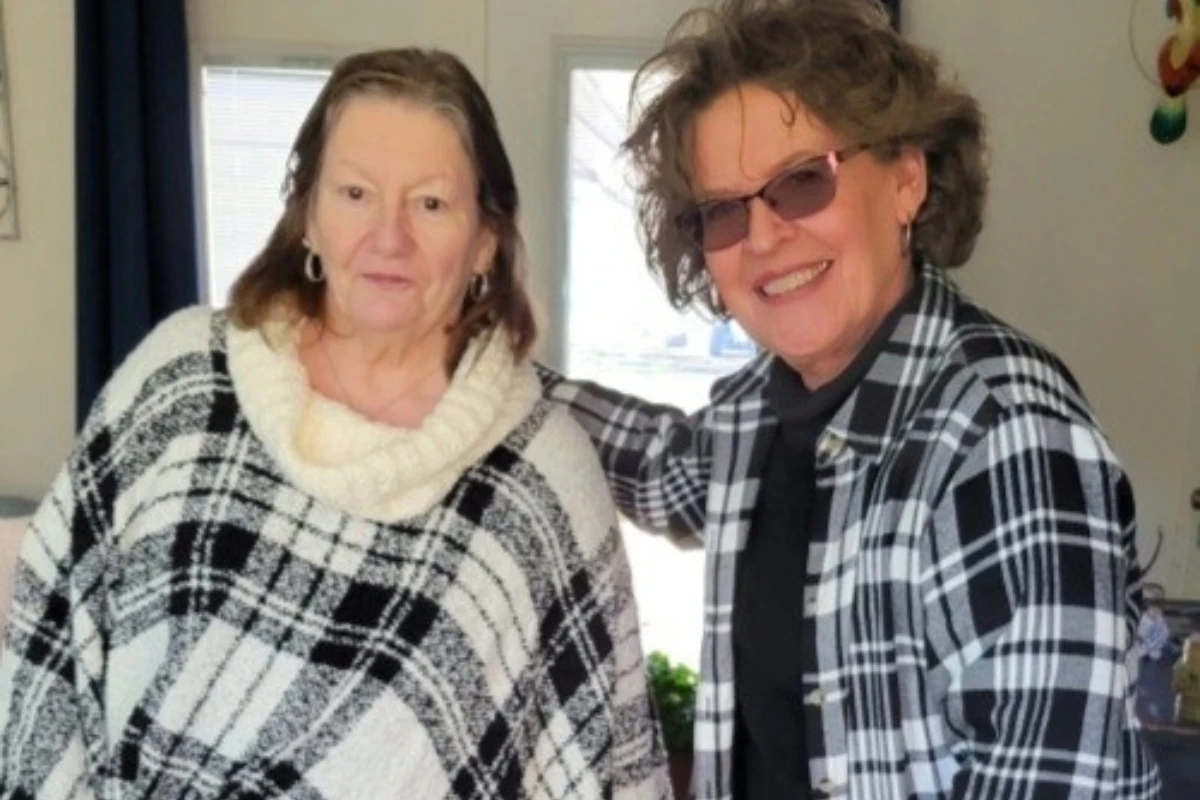
When longtime Meals on Wheels volunteer, Debbie arrived at Brenda's home, she noticed her dog Ranger was not behaving like his normal self. Knowing how much Brenda relies on R...
Read This Story
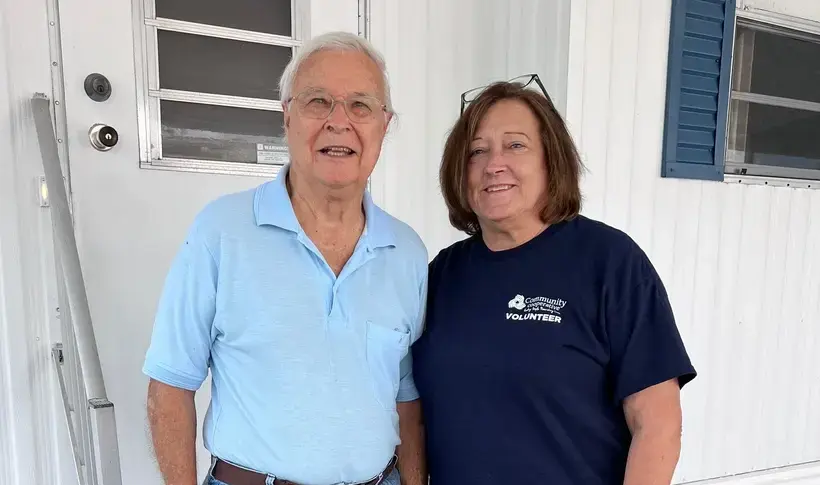
In 2022, Charles' wife passed away. When Hurricane Ian struck just two weeks later, Charles worried he would never get to say goodbye to his wife. With Cathi and Community Coo...
Read This Story