

How to Help Seniors: Ways to Give That Fit Your Life
Your support strengthens the Meals on Wheels network and helps local providers serve older adults facing hunger and isolation. If you are exploring ways to give to charity thi...
Read This Story
When funding falls short, caregivers waiting for meals face heartbreaking choices. Darlene and Henry’s story reveals the toll of underfunding — and why we must End the Wait® for families in need.
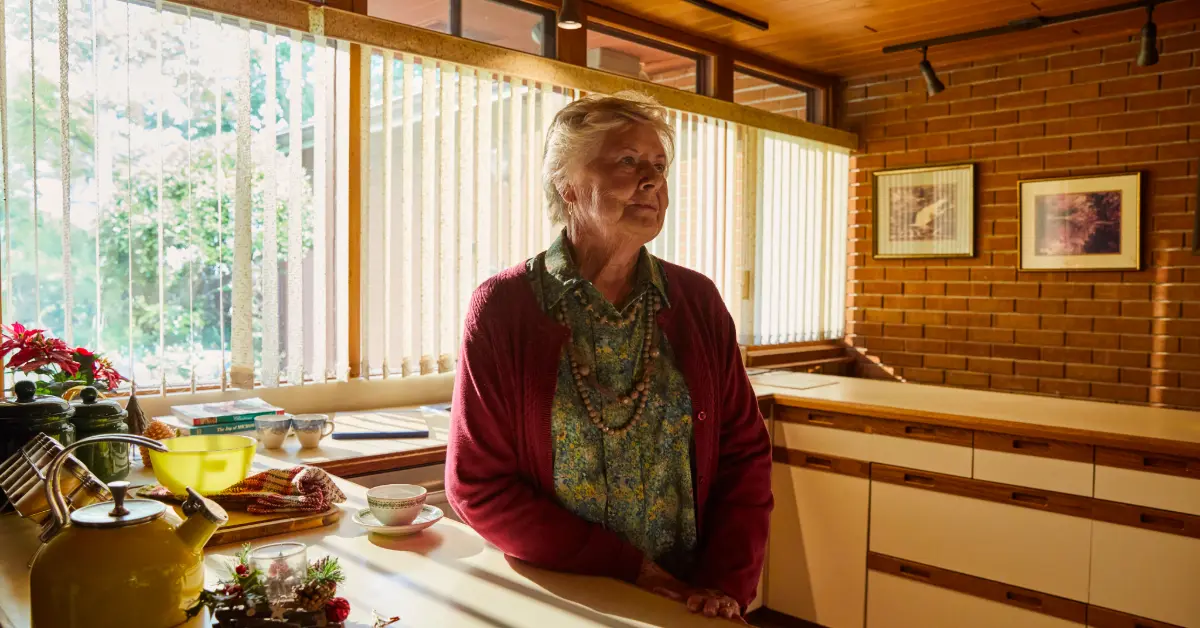
This post is part of our End the Wait® series, highlighting real stories from across the Meals on Wheels network. Tens of thousands of older adults are on waitlists for meals today, and their experiences show what is at stake if funding does not keep pace with rising demand.
Darlene had already watched her husband Henry survive lung cancer and a traumatic brain injury. Then came the assault in their own neighborhood, an attack that accelerated Henry’s dementia and left Darlene as his sole caregiver.
She did everything she could to keep him safe and fed. But as her own eyesight worsened, cooking became unsafe for both. With no Meals on Wheels service immediately available, they relied on processed snacks to survive.
“It is not reasonable that the seniors who have served their community their whole lives cannot depend on their community when they need them the most,” said Tracey Bedenbaugh, who was forced to place them on the waitlist due to lack of funds.
When meals finally began arriving, Henry slowly regained weight and both found relief. For Darlene, the daily deliveries meant more than food. They were a reprieve from the crushing pressure of being both caregiver and provider in an impossible situation.
Across the Meals on Wheels network, providers report the same pattern. “Every week we have to tell family members that we do not know when a spot will open,” one explained. “It is devastating, because we know what that wait means.”
The math is simple but devastating. In South Carolina, one provider shared they are “$40,000 in the hole because the state pays 80 cents less per meal than it costs to make.” Providers that once served 950 meals daily now serve 600. That means fewer seniors getting the nutritious meals, social connection and safety checks they need.
The volunteers are there. The infrastructure exists. Local providers know exactly how to solve this crisis: “If we had the funds, we could easily create the routes.”
The solution costs about $600,000 on average to eliminate a local waitlist for one year. Compare that to the far greater cost of preventable health crises, emergency interventions and premature institutionalization that occur when seniors do not receive adequate nutrition.
Congress must increase funding for the Older Americans Act Nutrition Program, they must recognize that these are not just touching stories. They are evidence of systematic underfunding that creates preventable crises across America.
Together, we can End the Wait, but only if we act now.

The annual appropriations process for fiscal year 2026 is in full swing, and members of Congress need to hear from their constituents and local leaders like you! Email your elected officials with a short story about your organization and its impact in your community to help your members of Congress understand the importance of funding the lifesaving services you provide.
Your support strengthens the Meals on Wheels network and helps local providers serve older adults facing hunger and isolation. If you are exploring ways to give to charity thi...
Read This Story
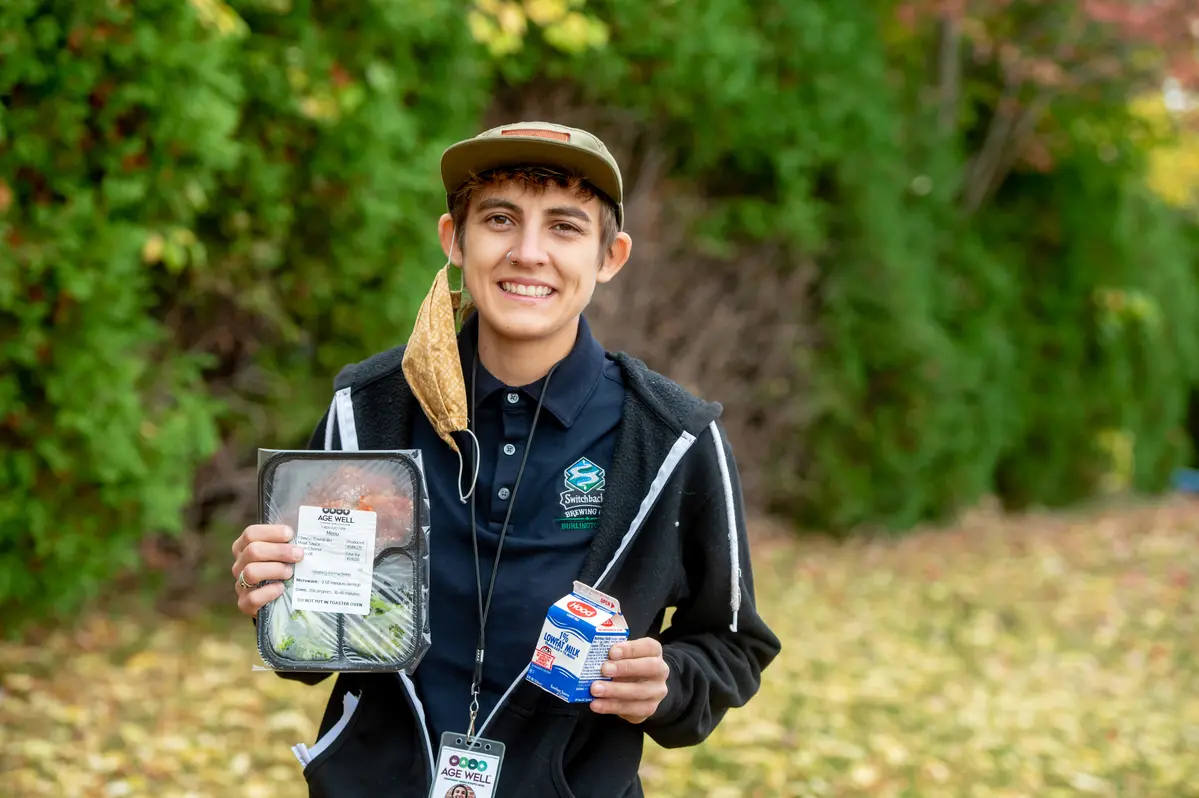
Knowing how valuable and meaningful volunteering can be, Sarah and her co-workers decided to start a Meals on Wheels team together. One day on her route, she met Bill and soon...
Read This Story
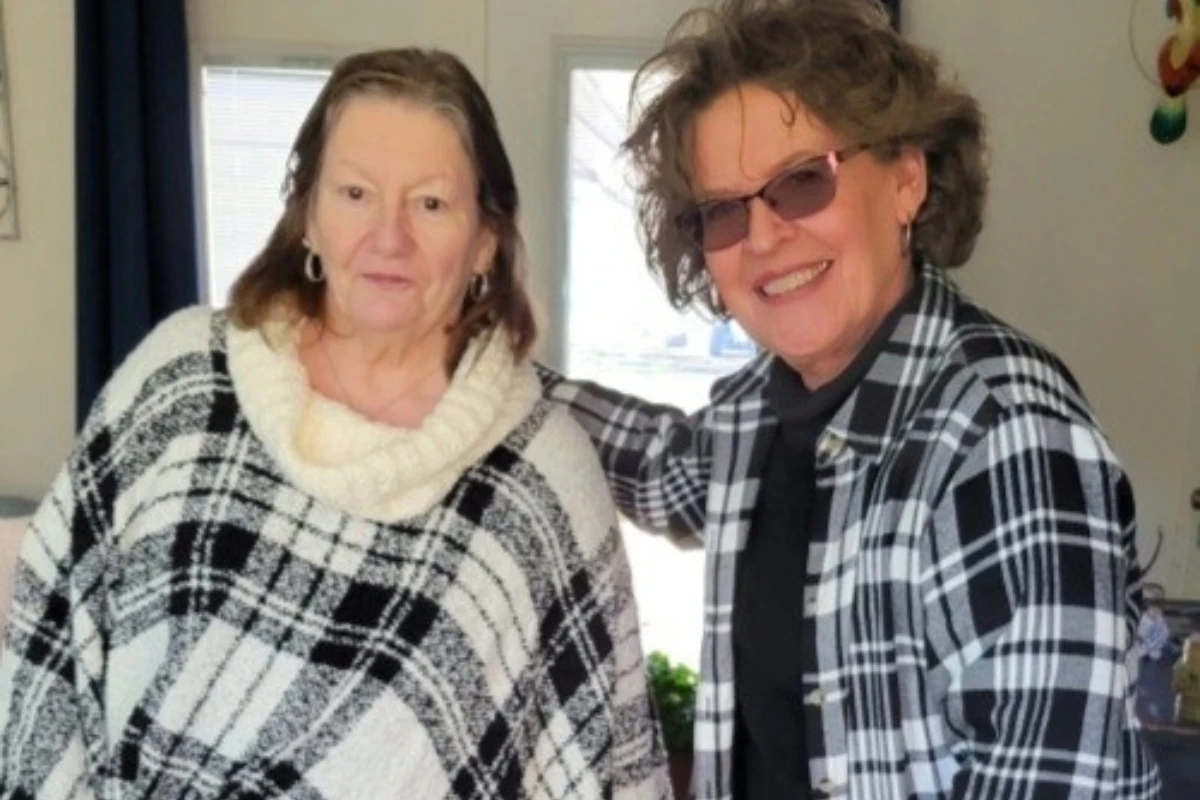
When longtime Meals on Wheels volunteer, Debbie arrived at Brenda's home, she noticed her dog Ranger was not behaving like his normal self. Knowing how much Brenda relies on R...
Read This Story
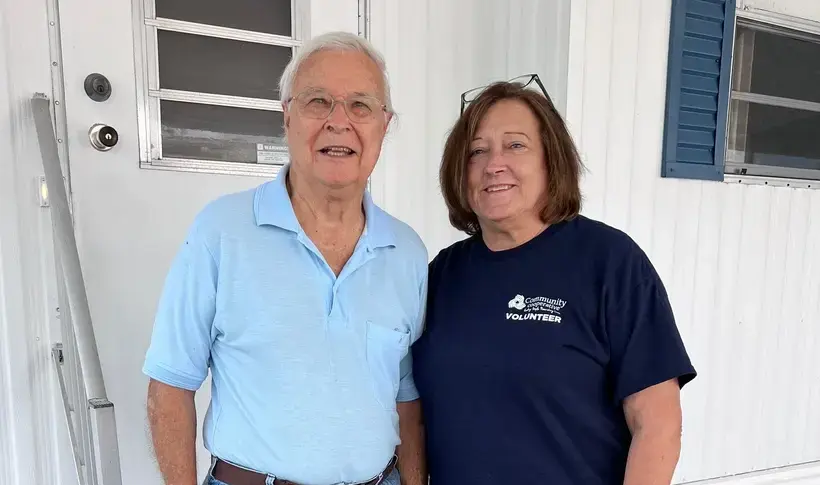
In 2022, Charles' wife passed away. When Hurricane Ian struck just two weeks later, Charles worried he would never get to say goodbye to his wife. With Cathi and Community Coo...
Read This Story