Across the United States, Meals on Wheels providers are grappling with the rising costs of food, transportation and labor, making it more challenging to meet the growing demand for services.
Local providers face financial pressures as inflation and logistical challenges affect their ability to deliver meals to homebound seniors. Rising food prices and soaring transportation costs force many programs to reduce the number of meals they provide and limit their service areas.
This reality, combined with the impact of rising costs on low-income seniors and the increasing number of seniors facing food and nutrition insecurity and social isolation, underscores the need for providers to be nimbler (and resilient) than ever to maximize their resources, reach and impact.
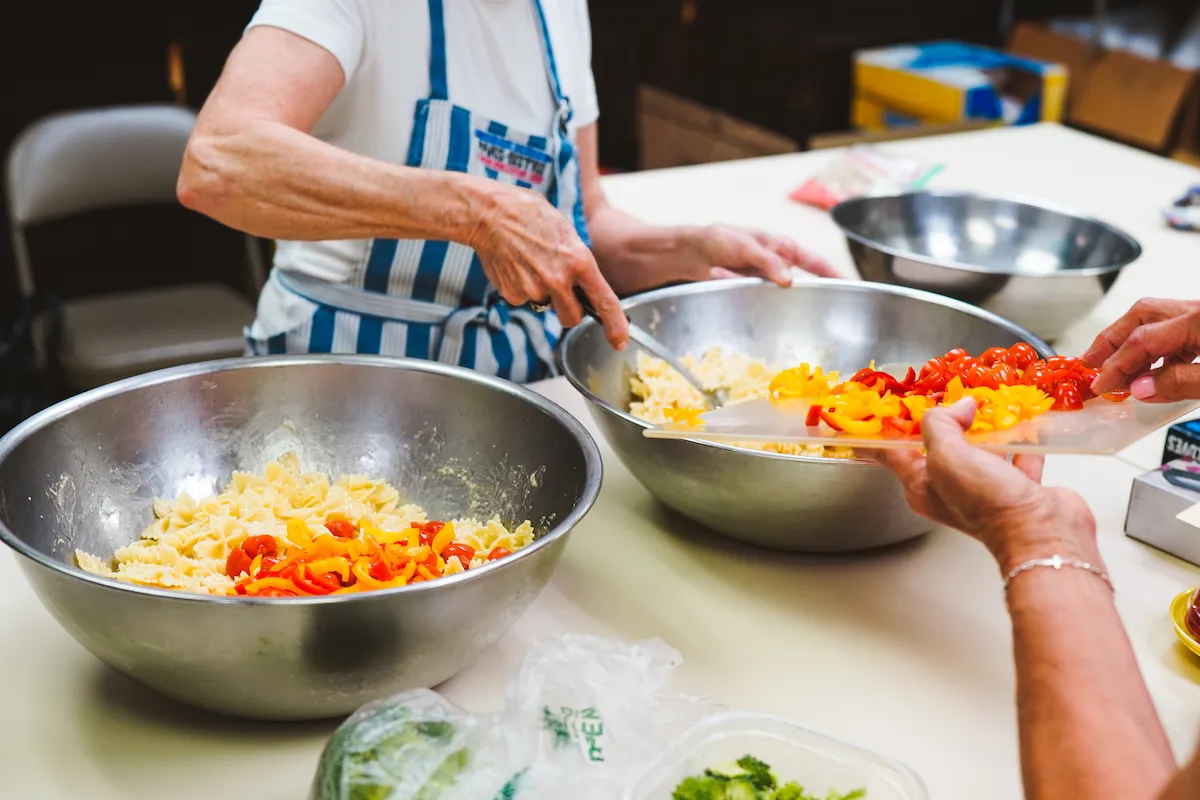
We recently visited Meals on Wheels Oklahoma City to learn how rising costs affect their ability to reach seniors in need. They are the largest provider of home-delivered meals in the Oklahoma City Metro Area and rely on the partnership of 60 churches and partner organizations to reach 925 seniors annually, all while managing a waitlist of 150 seniors.
Our feature explores the operational challenges they face. It reflects their commitment to ensure that seniors in need continue to receive the service and human connection they count on, despite the organization’s inadequate resources and funding.
Their story sounds the alarm on a dangerous trend: More local providers across the network are struggling to keep pace with rising costs, leaving millions of seniors hungry and alone.
The Cost of Living
The growth of waitlists — one in three Meals on Wheels programs has a waitlist — points to more local providers feeling the squeeze of rising costs and fewer resources, as well as the enormous responsibility of maintaining hope among seniors in need who are left waiting.
Like many providers, during the pandemic, Meals on Wheels Oklahoma City found itself in unfamiliar territory: turning away seniors in need.
“For years, we were able to avoid having a waitlist because of the funding we were receiving,” says Chris Lambert, Executive Director of Meals on Wheels Oklahoma City. “Anytime someone was eligible for home-delivered meals, we were able to say, ‘Yes, we’ll see you tomorrow, and you’ll begin getting five meals per week.’”
Today, the 150-person waitlist they maintain, while constantly seeking funding to meet the $1,000 annual cost of serving a senior, raises the risk of leaving low-income seniors without a support system (meals and connections built with volunteers) to meet their nutritional needs at a time when economic hardship and inflation are leaving them more financially vulnerable than ever.
Unfortunately, that vulnerability often translates to poor health outcomes, only made worse by “stress, a sense of isolation and shame,” according to Professor Pamela Heard.
“For low-income participants that we serve, too often, because of their financial situation, they make [food] choices that aren’t the healthiest because they’re trying to stretch their dollars,” says Lambert.
Lambert and Morgan Jones, associate director of Meals on Wheels Oklahoma City who serves as the first point of contact for seniors seeking services, coordinates with partners and manages the waitlist, know that receiving regular meals can be an invaluable means of empowering low-income seniors to utilize their limited resources to purchase healthier foods and, more independently, manage their health and well-being. Meals offer a rich variety of nutritious food options that foster healthy habits and streamline meal planning for low-income seniors, leading to greater financial flexibility.
Despite cost constraints limiting their capacity to meet them, providers continue to prioritize understanding the diverse needs of seniors. It’s the very reason they dream of future funding to support data collection on “lifers,” individuals who have lived in their homes for 60 years or more, to forecast current and future needs.
Ending the Waitlist + Operational Costs
“We had no idea how much it would cost to package a meal and send it out every day,” Lambert says of the early days of administering the program.
Meals on Wheels Oklahoma City estimates that it would cost $100,000 annually to end their waitlist, covering salaries, food, packaging and delivery costs.
In addition to reaching more seniors, a broader increase, beyond the $100,000 in funding, would address staffing shortages, cover the rising personnel costs for part-time drivers and the purchase of a new delivery vehicle, and meet the growing expenses associated with food, meal trays and insulated transportation containers that meet their standards and keep meals hotter for more extended periods.
Most critically, funding enables more meals to reach more homebound seniors.
“We are constantly looking at our budget to try and serve the most people possible at a sustainable level for the program,” Lambert says.
Chris acknowledges that an emphasis on quality remains a high priority, despite facing funding shortfalls that create operational challenges.
“Even though our meal costs are higher, we are going to continue providing high-quality meals. From day one, we’ve said we would never serve a meal we wouldn’t want to eat ourselves,” Lambert says.
The True Value of a Meal
While Meals on Wheels Oklahoma City has explored cost-cutting strategies, they are not willing to sacrifice the quality of service or moments of connection for the sake of savings.
Approaches such as bulk deliveries — delivering five meals once a week — fall short of their mission to remain a constant and essential presence in the lives of homebound seniors.
“[Bulk deliveries] take away so much of the socialization seniors get from knowing they’re going to see someone five days per week, Lambert says. “We initially looked at this during the early days of the pandemic as a way to mitigate exposure, but we decided that regular contact was as important as the meal itself.”
As a pillar of their community and lifeline for hundreds of seniors, Meals on Wheels Oklahoma City’s focus answers a critical question: What is the value of a knock on the door? Like Chris’s team, local providers across the country know it’s immeasurable; even as the economic cost of service continues to rise every year, providers are doing everything within their power to reach more people.
Local providers can’t always anticipate the rising costs and challenges they might face. Still, they can control how they adapt and draw inspiration from remembering the ripple effect of their efforts.
“It makes you feel good that you’re part of an organization that, all across America, there are other people at that very same time knocking on a door, sharing a friendly greeting and handing somebody a meal,” Lambert says. “By all of us doing what we can, together, that’s how we make an impact in our world.”